3.75 Star Rating
The Airing Micro CPAP
The Micro CPAP machine is a recently designed product that is currently under FDA review and is being tested to treat sleep apnea. The micro CPAP machine is an exceptionally smaller technology compared to a normal CPAP machine, as it does not have long hoses, a large machine, or a face mask. Rather, it is a small device that rests directly under the nose and contains two rubber nostril inserts that rest inside both nostrils. The machine 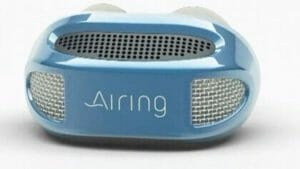 constantly pumps air through the nose and down the airway in a constant stream, just like the normal size machines do, only it’s a fraction of the size, is more user-friendly, easier to transport, and takes up less space.
Sleep Apnea
If you are unfamiliar with sleep apnea or are just starting to learn about it, here is some more information on what it is and how it is diagnosed.
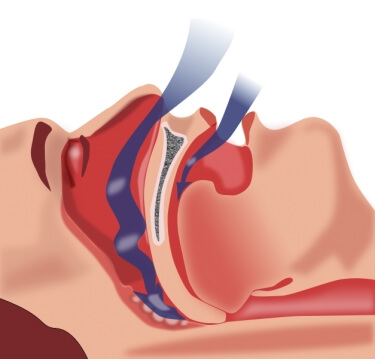
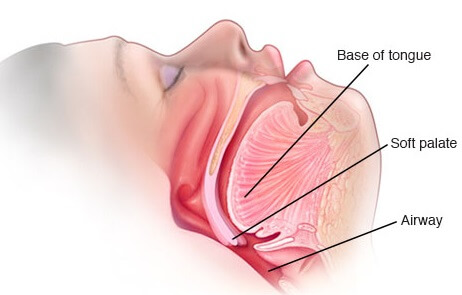
Sleep apnea is a serious sleep order that is becoming an epidemic in the United States and other developed countries. It is known as Obstructive Sleep Apnea or OSA. OSA is caused by an obstruction in your airway that causes you to stop breathing for several seconds, and up to a hundred times a night. It is a serious condition that can lead to stroke, heart attack, high blood pressure, and many more serious conditions.
Symptoms
Common symptoms of sleep apnea include:
- Snoring
- Paused breathing during sleep
- Daytime drowsiness and tiredness
- Having difficulty sleeping entirely through the night
- Having difficulty falling asleep
- Tingling of the legs and feet at night
- Heartburn
- Wake up in the middle of the night desperately gasping for air
- Dry mouth
- Having headaches in the morning
- Heart arrhythmia
How Sleep Apnea is diagnosed
Sleep apnea is diagnosed by performing a polysomnogram.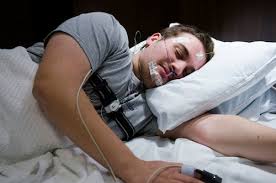 A polysomnogram is a sleep test that monitors motions and actions of the body and brain while you sleep. It’s commonly referred to as a ‘sleep study’. The study is conducted over night in a hospital setting where you are hooked up to different monitors, screens, and cameras. Your brain waves, heart rate, breathing patterns, blood pressure, and movements in the eyes are all monitored closely by your doctor in the sleep lab.
Tiny electrodes are attached to several parts of your body and adhere to the skin during your sleep to keep a pulse on any physiological events that occur. Your oxygen level in your blood is monitored by a finger clip that also tracks your heart rate and blood pressure. Elastic belts may also be used around your torso to monitor your breathing patterns.
Based on the sleep study results, your doctor will inform you if you do indeed have sleep apnea. When they analyze your sleep study results, they will quickly be able to tell how many times you stopped breathing, if any, how long the pauses were, and how often they occurred throughout the study. If they find that you stop breathing repeatedly throughout the night, they will request that you get fitted with a CPAP mask and machine.
What is a CPAP Machine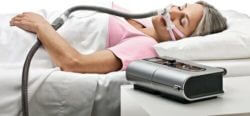
CPAP stands for Continuous Positive Airway Pressure. It sends a constant, steady flow of oxygen into your nose so that you can breath easier throughout the night, and do not have an obstruction in your airway. The machine itself can range in size depending on which model you buy from a wide variety of manufacturers. Most CPAP machines are about the same size as a small briefcase. They typically have 1 or 2 hoses coming out of the machine that attach to a nose or face mask. You will need to wear the nose or face mask throughout the entire night while sleeping in order for the treatment to be effective. Some masks require a separate chin strap to hold the mask in place. Other styles have adjustable straps that hold the mask in place for you already.
Some patients with sleep apnea rave about how rested they feel in the morning after wearing the machine, while others just can’t get used to the bulkiness of the masks, tubes, and sound. Due to this, the amount of chatter created around the micro CPAP mask is amazing, and many people are excited to see the product come to fruition.
How it treats Sleep Apnea
Airing is being marketed as ‘the word’s first cordless, mask-less, and hose-less device for treating sleep apnea. Just the picture itself looks amazing, especially when you put it side by side next to the current CPAP machine. The company behind this micro-CPAP machine markets the product to those that have tried wearing a standard-size CPAP machine previously, but have been frustrated by all the hoses, masks, and accessories that come with the machine not only needed for it to operate but to clean it as well.
My Review of the Micro-CPAP
As soon as the micro-CPAP receives FDA clearance and hits the market, I will definitely give this machine a test to see how it actually works and if it stops my snoring. As of May 2019, this product is not yet available.
Airing Micro-CPAP machine
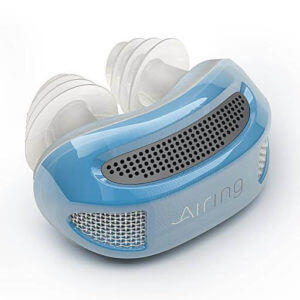
The Airing Micro CPAP machine is comprised of a range of features, many of which are surprisingly small. The machine itself is made of an injection molded shell which houses the micro-components and micro blowers. The battery is also stored in the main body.
Individual Daily Usage
The Airing Micro-CPAP machine is meant to be used only once and then disposed of. One of the most common complaints you hear from CPAP machine users is that they constantly need to be maintained and cleaned in order to function properly and administer the proper treatment. These micro CPAP machines are actually completely disposable and Airing claims that they can also be recycled.
No Hoses or Masks
The beauty of the micro CPAP is that there are no bulky, heavy hoses, and no tangled face masks or nasal masks involved. The small, compact design, is appealing to CPAP users everywhere.
Battery Operated Micro-CPAP
Small batteries are used to operate the micro CPAP, however, it’s not yet disclosed exactly what the size of the batteries is or how much the batteries themselves will cost.
MicroBlowers
Micro-blowers were originally designed to cool computers down within the main frame and motherboard. This same type of technology is used in the micro CPAP machine to maintain the constant flow of oxygen into the nose and down the airway.
Tight Fitting Nose Buds
The micro-CPAP has 2 silicone nose buds that fit right into both nostrils and form a tight-fitting seal around the nose. This eliminates the need for large bulky hoses.
Vents
There are two types of air vents on the micro CPAP: the inhalation vents and the exhalation vents. The inhalation vent is at the top of the micro CPAP and is nearly the entire width of the device itself. As you inhale, the micro blowers regulate the constant air pressure needed to maintain the ideal air flow to treat sleep apnea.
When will the Airing Micro-CPAP become available
As of May ’19, Airing is still in the middle of their fundraising stages. The company has raised nearly $2 million on IndieGoGo alone, and I’m sure there are dozens of other private investors backing the company. Designing a prototype, like Airing, is not easy. Creating a product to treat nearly 22 million people with sleep apnea has its challenges and the first of which is getting FDA approval. The Food and Drug Administration must undergo months and possibly years of testing and analysis to even allow this product come to market. Once that milestone is reached, the company will need to undergo numerous lab tests and clinical trials before launching the product.

No published released date has been set, and the product has been in the development stages since early 2015. My guess is that there is probably another few years of R&D left in order to bring this product to fruition. IF this micro-CPAP gets FDA clearance, this will undoubtedly be the go-to CPAP machine on the market.
The creator of the Airing Micro-CPAP
Stephen Marsh is the brains behind the micro CPAP technology. Stephen is not new to the healthcare industry, as he’s invented and patented over 75 products and applications. Marsh is an entrepreneur and inventor. When the Airing becomes available, Marsh will have tackled one of the largest growing markets in the United States – those with sleep disorders who suffer from sleep apnea.




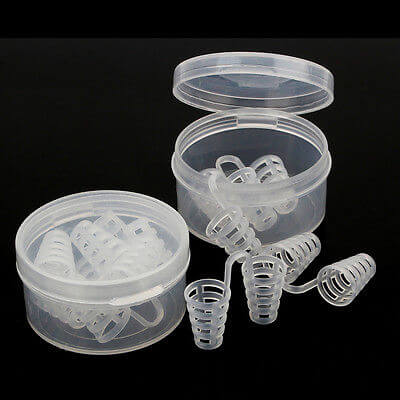
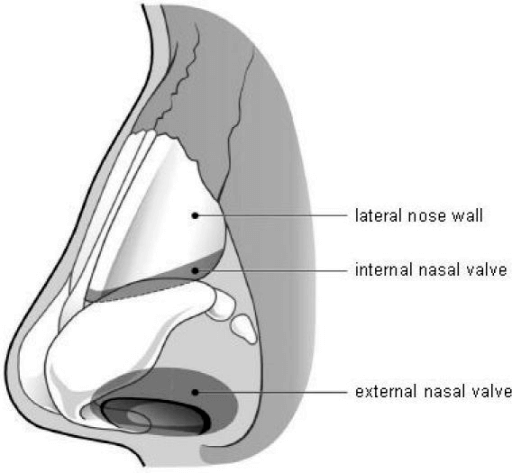
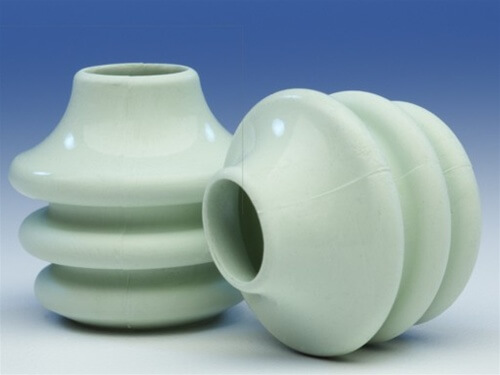
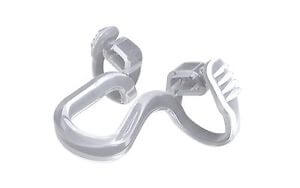



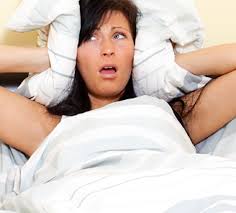


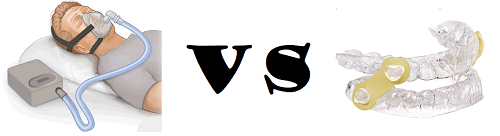 When it comes to treating Obstructive Sleep Apnea, there are now more options available than ever. Two of the most popular treatment options are Continuous Positive Airway Pressure (CPAP) Therapy and Oral Appliance Therapy.
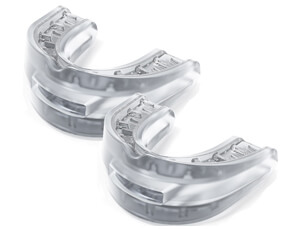
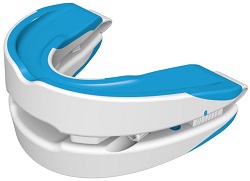
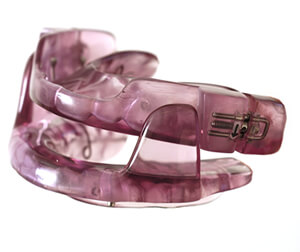 The Mandibular Advancement Device (MAD), also commonly referred to as a Mandibular Advancement Splint (MAS) utilizes a concept that is completely different from the CPAP type machines. The device consists of an upper and lower plastic tray that is molded to fit the mouth precisely. The lower tray is connected to the upper tray in order to form the mouthpiece. The trays are typically adjustable which allows your dentist to fine-tune the device to suit your needs.
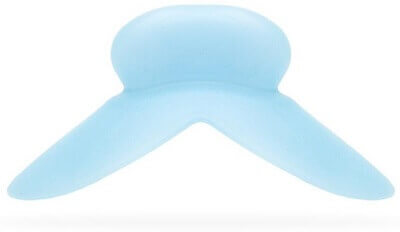
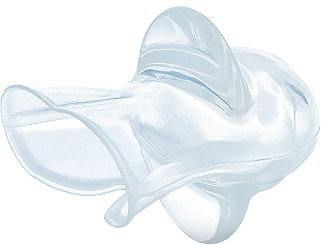 The Tongue Stabilizing device (TSD) also known as a Tongue Retaining Device (TRD), is a different type of mouthpiece that is used to perform the same function as a MAD. With the TSD, a small device, which somewhat resembles a pacifier, attaches to the end of the tongue using a suction bulb device. The patient squeezes the bulb, places their tongue inside and allows the device to pull the tongue into place.


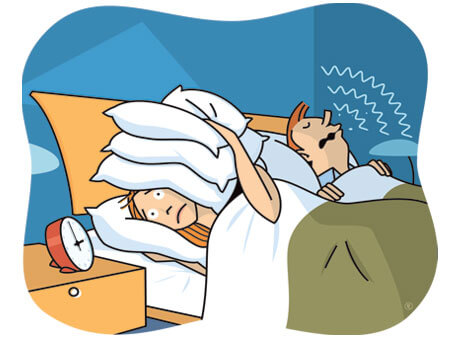
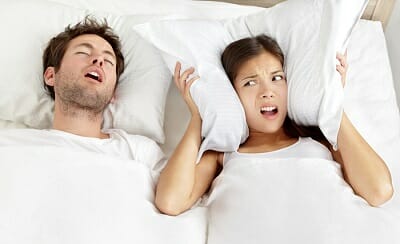 Snoring – it’s a problem that affects over ninety million Americans on a nightly basis. Although snoring is viewed by many in a joking manner, it can very easily cause a serious relationship strain, especially if one of the partners becomes sleep deprived due to being kept up by their significant others snoring. This issue can quickly lead to
  Tackling the issue or snoring starts with engaging in conversation with your loved one. Approach the situation with a level head while keeping in mind that their snoring is not intentional. It’s very likely that they are not even aware of how their snoring is impacting your sleep. After all, they are asleep and have no idea what goes on once their head hits the pillow. When approaching your partner, be sure to do so in an appropriate setting where you both are relaxed and less likely to overreact or become upset. For instance, discussing your partners snoring after they had a stressful day at work may not be the best time to engage in conversation. For instance, perhaps a low stress time after you have enjoyed a vacation together would be appropriate.
 Now that your partner is engaged in a conversation, ask what their thoughts are on the situation. Beware, they may jokingly respond by telling you to get earplugs. If your partner is reasonable, they will likely empathize with you and agree to discuss a solution. If they disagree that snoring is an issue, it may take some work to get them to better understand where you are coming from. For instance, you may try to further elaborate by giving examples of how your sleep deprivation is affecting your life and potentially theirs. Perhaps you are so tired by the evening that you constantly take naps and are having difficulty waking up to prepare dinner. Maybe you don’t have the energy to do the activities that you once enjoyed doing together.
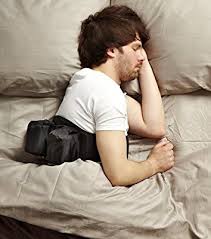 Reducing your partner’s snoring is often achievable by having them sleep on their side. If you notice that they snore loudly while on their back but not while on their side, there is a good chance that they are a positional snorer and could benefit from sleeping on their side.
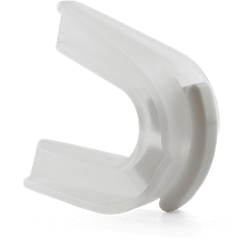 A snoring what? Yes, A snoring mouthpiece, also known as a





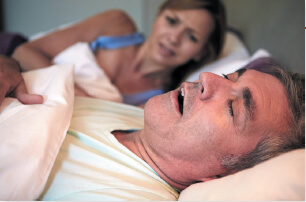


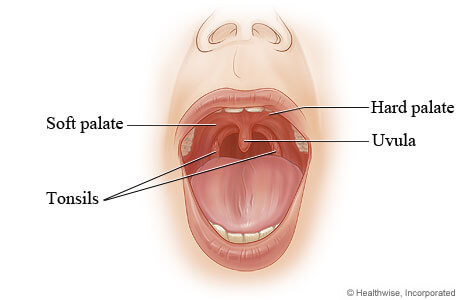
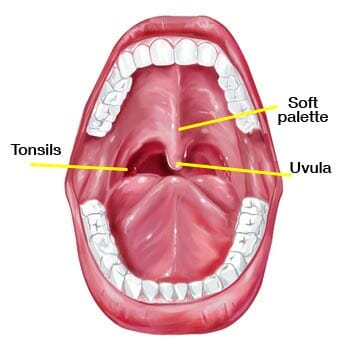
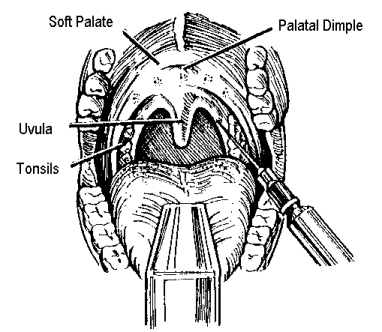
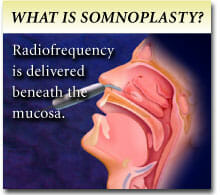
 An alternative anti-snoring method or procedure to stop sleep apnea and snoring is a somnoplasty. The procedure is common and involves injecting radiofrequency energy and heat to create scar tissue in the back of the mouth and throat.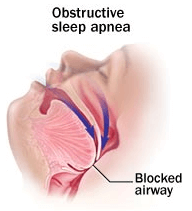


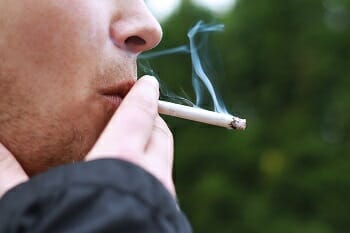 As a smoker, throughout the years you have probably heard all of the reasons why smoking is dangerous – emphysema, pneumonia, chronic obstructive pulmonary disease (COPD) and even lung cancer just to name a few. Smoking effects everything from your heart to lungs and causes nearly half a million deaths per year in the United States alone.
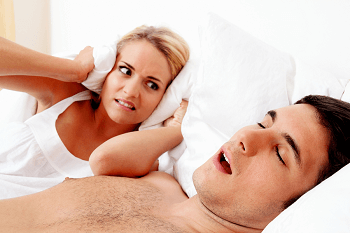 So, it’s true. Smoking does cause snoring and the more cigarettes that you smoke per day, the more likely you are to snore. A two pack a day smoker is twice as likely to snore as a one pack a day snorer. Why is this the case? Exactly how does smoking cause snoring?
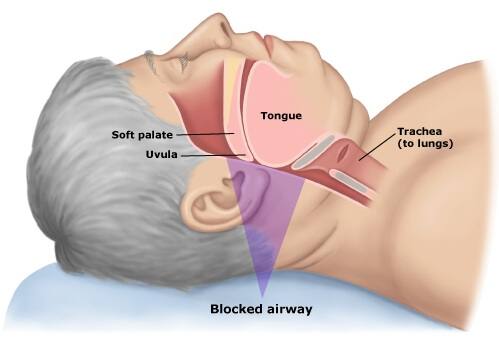 While it may be tempting to simply ignore a snoring problem, you may want to consider that snoring is one of the most common signs of Obstructive Sleep Apnea, a condition in which breathing stops for several seconds before resuming again. This is caused by the narrowing of the airway.
 While not completely accurate, there’s a saying that goes “smokers drink and drinkers smoke”. In other words, if you smoke, you likely drink alcohol and vice-versa. For many,

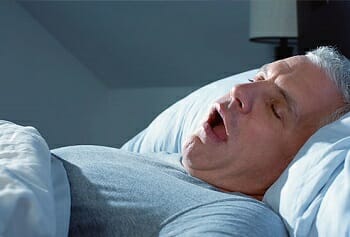 You may have heard it before – Snoring can lead to high blood pressure. This is a statement that is commonly repeated but is it really true? Is it possible that this seemingly innocent little sound made by millions of people each night can be the cause of such a serious issue?
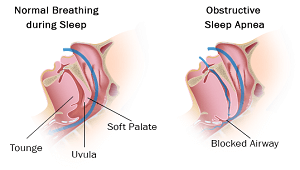 If you suspect that sleep apnea is causing your high blood pressure, it only makes sense to treat the cause instead of taking medications to control the symptoms. In many cases, blood pressure will lower once sleep apnea is treated.
 Carrying extra weight can not only cause