Snoring has become a recent epidemic in the United States in recent years and is causing many snorers as well as their sleeping partners to search for
remedies to treat and stop snoring – one of these snoring treatments is acupuncture. Acupuncture is a holistic medical procedure that stimulates the body and nervous systems by targeting certain areas that cause snoring. When these nerves are targeted, they stimulate and heal the body.
The History of Acupuncture
Acupuncture dates back nearly 3,000 years to Ancient China. The Ancient Chinese medical practices were based on energy forces found in the universe in natural forms. The energy consisted of two forces called yin and yang. These forces were complete opposite forms of energy, but when balanced, the world and body were operating in harmony and at peace.

The energy found in yin and yang is called Qi (phonetically pronounced ‘Chee’). Qi flows throughout the body and in nature and maintains the constant flow of the opposite forces yin and yang – making them balanced and controlled. If the Qi ever gets blocked, it needs to be rerouted so the balance can be maintained – this is where acupuncture comes into play. The Ancient Chinese medicine men believed that by performing acupuncture, the Qi would become unblocked, stimulating the body to function again and continue the flow of energy.
These ancient practices have been passed down through the generations and are still used today in the modern-day healthcare system to treat pain and stimulate the nervous, immune, and digestive systems. Acupuncture has been proved to resolve pain, restore endocrine system functions, and treat snoring and sleep apnea.
What is Acupuncture
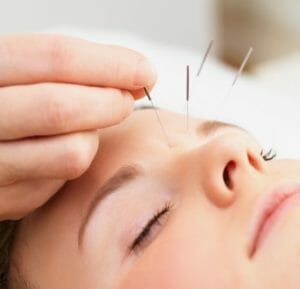
Acupuncture is a healing treatment that stimulates certain points of the body in order to promote self-healing, treat pain, and restore the bodies natural flow of Qi. The actual process of the treatment involves an acupuncturist inserting sterile needles into the skin at specific acupoints. Acupoints are precise points on the body that stimulate the nervous system which controls the function of specific areas of the body. The needles are very thin and fine and most of the time cannot even be felt when they are placed in the skin. Depending on your reason for acupuncture treatment, up to 100 needles may be placed into the skin in order to activate a certain system in the body. Many times, heat, pressure or even an electric current may be used in addition to the placement of the needles in order to trigger system functions. Acupuncture treatments may last up to one hour from start to finish. Typically the needles remain in the skin for 20-30 minutes, but depending on the treatment, may stay in place for only 5 minutes.
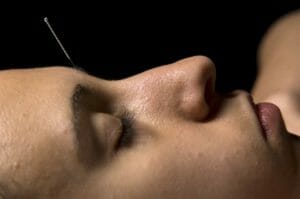
Most people question whether or not the needles will cause bleeding upon insertion or removal. The answer is no. The needles are so thin and just barely break the skin, therefore there is no bleeding. The sessions are usually painless as well. Some patients do experience some bruising in certain areas of the punctures, but this may or may not happen to everyone. Some people have very sensitive skin and bruise easily – so in that case, slight bruising may occur.
Each acupuncturist will discuss with you before the treatment a series of questions to make sure that the treatment is right for you. You must remain calm and still throughout the entire treatment. Most patients say they feel quite relaxed after the session is over as well.
Everyone reacts differently to their acupuncture treatments and may need more treatments than others based on their situation. Short term, acute issues typically need 5 or fewer acupuncture treatments to relieve pain. Long-term, terminal or chronic issues may result in weekly acupuncture visits.
Acupuncture Points to Stop Snoring
So how is acupuncture used to treat snoring? Two of the main areas of the body that are responsible for snoring are the sinuses located in your nose and the fatty tissues that line your throat and pharynx.
Acupuncture Treatment Targeting the Sinuses to Stop Snoring
There are several acupoints in the body that can be targeted to relieve sinus pressure, one of the main causes of snoring. These acupoints are just below the eyebrow where the bridge of your nose connects above the eye. Other acupoints for targeting the sinuses are on either side of your nostril openings, and just down from there at the base of your cheeks. These are the areas where the needles will be injected into the skin during treatment. You can also gently massage these specific areas, known as acupressure, to treat your sinuses and stop or prevent snoring.
Acupuncture Point for the Throat to Stop Snoring
Another acupoint that will be targeted to stop snoring is the throat. Excess phlegm and mucus buildup in the throat and near the fatty mouth tissues may be the underlying cause of your snoring. The acupoint that targets these areas is at the top of the nose in between the eyebrows. It’s referred to as GV24.5 (Governing Vessel 24.5). This specific point is one of the most commonly triggered acupoints, as it targets snoring and helps sleep apnea. Other ailments targeted by this acupoint include insomnia, anxiety, and depression.
This is also another acupoint that may be used alongside with acupressure by massaging the area on and off for several minutes.
Where to Get Acupuncture to Treat Snoring
It is a common practice for pain relief and is usually administered by chiropractors and holistic doctors.
Can you self-administer Acupuncture for snoring?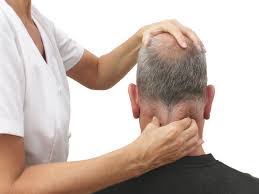
Yes, and no. An acupuncturist is a licensed medical doctor that has been trained in acupuncture and can administer acupuncture sessions and treatments. However, you can treat yourself to a certain extent by practicing acupressure. Acupuncture and acupressure are very similar in that they target acupoints in the body to stimulate nerves and heal. Acupuncture involves actually piercing through the skin to get to the acupoints, whereas acupressure involves gently massaging the acupoints to stimulate the nerves without the use of needles. Anyone can perform acupressure, even by yourself and in the comfort of your own home.
Is Acupuncture for snoring covered by insurance?
Acupuncture has been recognized as a holistic treatment for many ailments and diseases and is covered by many insurance providers. If your insurance does not cover acupuncture sessions, they will run anywhere from $100-$200/visit depending on where you are located.
If you are looking for a holistic approach to treat your snoring or your partner’s snoring, acupuncture may be the way to go. It’s non-invasive, relatively inexpensive, and effective. You should always speak with your doctor when making decisions regarding treating snoring or sleep apnea. Make sure acupuncture is the correct approach for you before scheduling your first appointment. Whichever snoring solution you choose, I wish you a peaceful and snore-free night’s sleep.
Share This Post:




 So, a sore throat that occurs only in the morning may be caused by snoring? How does this occur? There are actually a few explanations as to why snoring happens and how it causes a sore throat.
 While snoring is often the cause of a morning sore throat, this is not always the case. Since every individual’s circumstances may differ, it’s critical that you schedule an appointment with your doctor who can further evaluate chronic morning sore throat as well as any other symptoms that you may be experiencing alongside a sore throat. It’s possible that a sore throat may be an indication of not only snoring but
  One of the best ways to prevent your throat from drying out is to ensure that you are getting enough water each day. A surprising number of people spend their days dehydrated which can not only contribute to a dry mouth while asleep and ultimately snoring, but it can also cause numerous health problems. A lack of water causes the mucous membranes within your throat to dry out and become irritated.


 In western medicine, we have a pill for nearly every ailment, so it’s quite common for people to seek a pill or tablet for one of the most common issues faced in the American household – snoring.
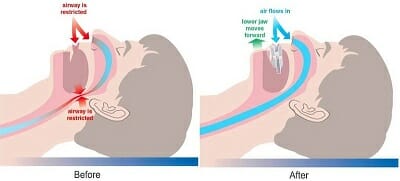 Correcting a snoring problem begins by addressing the problematic area in which snoring typically develops. The
  Looking at the low cost and ease of use offered by snoring pills, it’s very enticing to give them a try but is it they worth trying?

 For years, most of us have believed that the disturbing sound of snoring is simply a bedroom nuisance that’s jokingly dismissed. Today, numerous medical studies have shown a link between snoring and a number of serious medical conditions such as obstructive sleep apnea, high blood pressure, heart attack, stroke, and even
 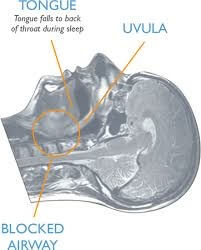 Most of us are quite familiar with the sound of snoring but what many of us don’t know is exactly what snoring is and where the sound of snoring originates from.
 You may be wondering how two completely unique conditions, which on the surface appear to be unrelated, have anything to do with each other. Is it possible that snoring causes diabetes or perhaps diabetes causes snoring? Interestingly enough, recent medical research has found at least a couple links between these two conditions. In one recent study conducted by the American Journal of Epidemiology, it was found that regular snorers were twice as likely to develop diabetes while even occasional snorers were nearly 50% more likely to end up with diabetes. Exactly how are these two conditions related?


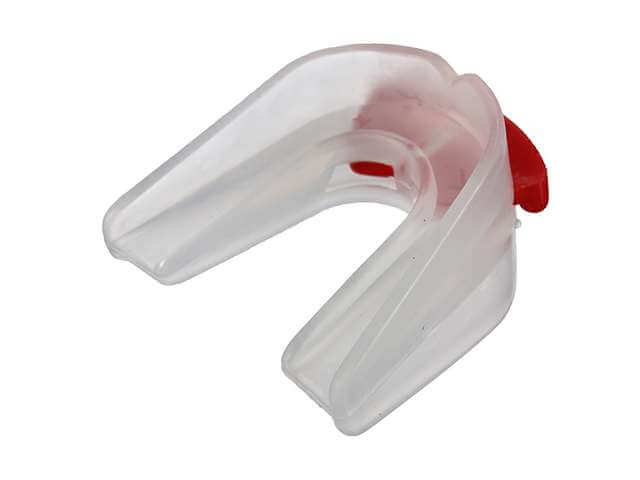
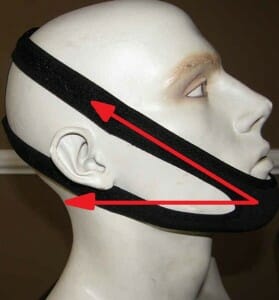
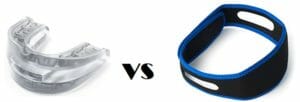 There’s a debate among snorers who are unable to decide whether to choose a snoring mouthguard or chinstrap. Both products have received a bit of attention in recent years but are both equally effective at treating snoring? We are going to examine each and help you decide which product may be best for your particular situation. Let’s begin this discussion by investigating exactly what each solution is and the pros and cons of each product.
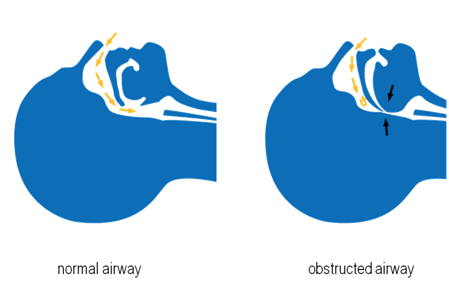
 While there are advantages and disadvantages of both the snoring chinstrap and mouthpiece, is one better than the other? The answer greatly depends on the source of your snoring. If snoring originates from the airway, a mouthpiece is always going to be the better choice. If your snoring is the result of your mouth hanging open, a chinstrap can be an effective solution.








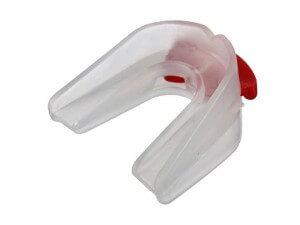 In a sea of anti-snoring products, it’s often difficult to make a decision when all companies promise to put an end to your snoring. There are literally hundreds of product to choose from including nose cones, chin straps, mouthpieces, special pillows, and nasal strips to name a few. How does one go about choosing the best product to put an end to their snoring? Each product is unique and performs the function of preventing snoring in a different fashion. There’s no one-size-fits-all snoring solution, meaning that one product may work for some but not all. The key to choosing the right product is to first determine the type of snorer you are.
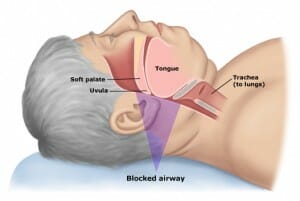
 Of the three types, airway snorers are usually the most common. The reason why snoring originates in the airway is that while asleep, the airway often becomes narrowed as our tongue relaxes and falls to the back of the throat. When this occurs, it creates resistance and as air moves past and it, this causes loose tissue in the airway to vibrate and generates the sound of snoring.
 Open mouth snorers are less common in comparison to airway snorers. The sound of snoring is generated when a person breathes through their mouth instead of through their nose. As air moves in and out of the mouth, it causes the uvula, tonsil and other airway tissues to collide with each other and creates the snoring sound. In this case, the solution may be to encourage nasal breathing by using snoring chinstrap, mouthpiece, or a combination of the two which can be highly effective.


 snoring until they had cancer.







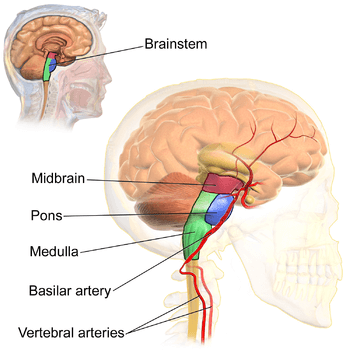
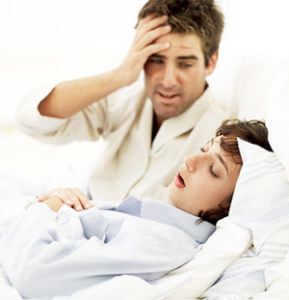
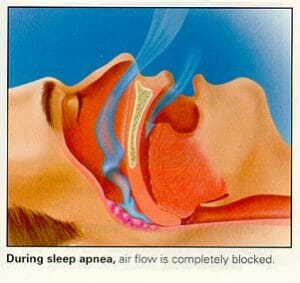
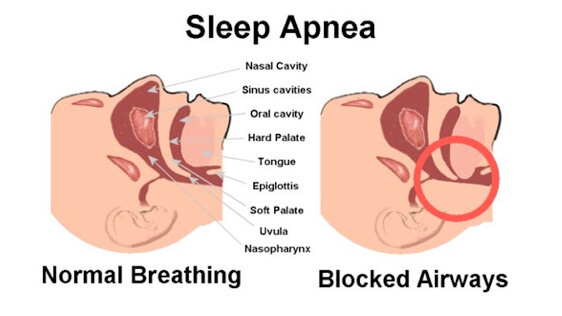 OSA is commonly recognized by a bed partner because they will hear the sound of snoring, and then there will be silence for several seconds. It can be frightening for the bed partner, but also the snorer because you actually stop breathing for a short period of time and then awake suddenly while choking or trying to catch your breath. Sometimes you can wake yourself up from these episodes and other times you won’t even know that you’re doing it. This is why the bed partner is usually the one to mention it to the snorer because it is disruptive but also very concerning. This is the most prevalent and noticeable symptom of OSA. The fact that you stop and start breathing repeatedly throughout the night is very dangerous because there is a limited amount of airflow going into the body. The body survives off of oxygen and by limiting it, serious problems can occur.