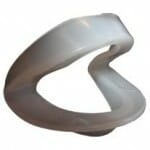
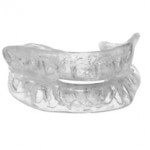
An inevitable part of owning a snoring mouthpiece is the need to clean it. Considering that the human mouth contains on average between 800-1000 different strains of bacteria, it’s very easy to see why daily cleansing of your device is necessary. The inside of the mouth is dark, moist, and warm which creates the perfect environment for microbes to grow. If you were to simply store your device after each use without cleaning or even rinsing it off, it would only take 2-3 days before it begins to smell funky.
Now that you have been grossed out, I’m going to go over the care instructions for several popular mouthpieces on the market so that you can keep your mouthguard squeaky clean and smelling fresh.
These types devices come in a number of different designs and can be made from a number of different materials. Because of this, care instructions often vary from one product to another. For instance, some manufacturers suggest that you simply soak their device in mouthwash or a denture cleaning solution while others suggest using warm soapy water or even a toothbrush and toothpaste. Below you will find a list of some of the more popular mouthpieces along with specific care instructions which are approved by the manufacturer.
Good Morning Snore Solution
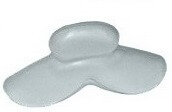 The Good Morning Snore Solution can be cleaned using one of two methods:
 Purchase denture cleaning tablets from your local pharmacy. You can buy the generic store brand or name brands such as Efferdent or Polident. These are fairly inexpensive, costing around $6 for a 90 day supply. Fill a container up with cold water and dissolve the cleaning tablet. Place the GMSS into the denture cleaning solution for 10 minutes. Next, give the container a swirl prior to removing the device and rinsing. Allow to air dry on a fresh paper towel.
- As an alternative, you may use a toothpaste and cold water solution to soak your GMSS in. Fill a container with about a cup of cold water and drop in a toothbrush length squeeze of toothpaste. Allow to dissolve for a few minutes and then mix using a wooden popsicle stick or some other mixing device. Once dissolved, drop your device in for 10 minutes, swirl, rinse, and allow to air dry.
Zquiet
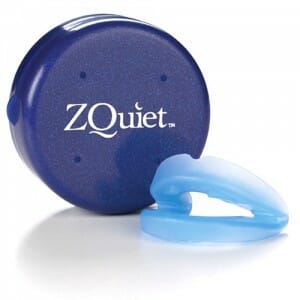
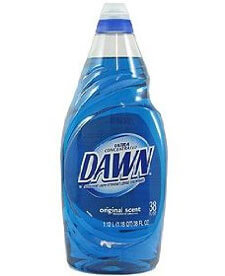 Clean the Zquiet using a mild liquid dish soap such as Dawn, Palmolive, or Ivory. I prefer to use a soap that has anti-bacterial properties. Clean the device using your fingers and the liquid soap. For best results, the manufacturer suggests that you use a toothbrush to assist with cleaning. While a toothbrush is recommended, toothpaste is not because it can discolor or even distort the surface of the Zquiet.
Most importantly, once thoroughly cleaned, you should rinse all soap residue off before allowing it to air dry. While the manufacturer does not mention it, allowing to air dry is an important step prior to storing away for the day. It is recommended to store the mouthpiece in the provided storage case to help retain the shape and spring action of the hinge.
Vitalsleep
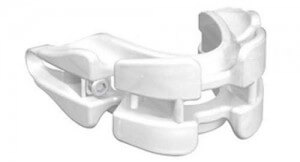 There are two methods that can be used to clean the Vitalsleep:
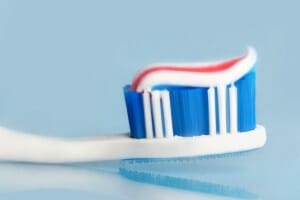 Using warm water, clean the device with a toothbrush and toothpaste. The water should be “warm” to the touch and not hot. Place a dab of toothpaste on the Vitalsleep and clean as you would your teeth. Be sure to brush in all of the crevices as this device contains several places where bacteria can hide. Once finished, rinse the device and allow it to air dry on a paper towel before storing it away in the provided storage case.
- An easier cleaning solution is to use a denture cleaning tablet which has been dissolved in water. Follow the instructions provided by the manufacturer. In general, the soaking process usually lasts between 5-10 minutes. After soaking, rinse and allow to air dry. Once completely dry, store the Vitalsleep in the case that came with the device.
Snoremender
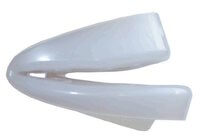
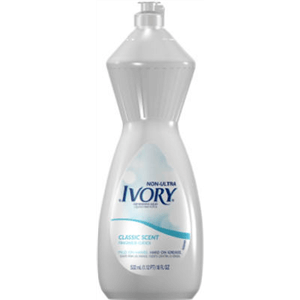 Clean your Snoremender using a mild dish soap such as Dawn, Palmolive, or Ivory. Antibacterial soaps are the best choice for this particular application. Use warm tap water along with the soap and your fingers to gently clean the surface of this mouthpiece. Keep in mind that you should never use water warmer than 158° as it can distort the overall shape of the device. The water should be warm to the touch but not hot.
Once cleaned, rinse the soap off with warm water. Continue rinsing with warm water, particularly in the hinge area for an additional 30 seconds. Doing so slightly heats the hinges causing them to relax and open out. Allow the device to dry opened up and completely flat. Once air dried, store flat in the protective case that comes with the device. Take special care not to compress the mouthpiece as it relies on the flexible hinges in order to function properly.
SnoreRx
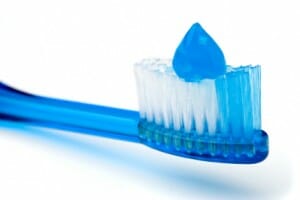 The manufacturer of the SnoreRx suggests cleaning this device just as you would normally clean your teeth – using warm water, a toothbrush, and toothpaste. Apply a pea-sized amount of toothpaste with a soft bristle toothbrush. Wet the SnoreRx with lukewarm water and brush the device while paying close attention to areas such as the teeth indentions.
Once thoroughly scrubbed with a toothbrush and toothpaste, give the device a good rinse and allow to air dry before storing away.
Zyppah Rx
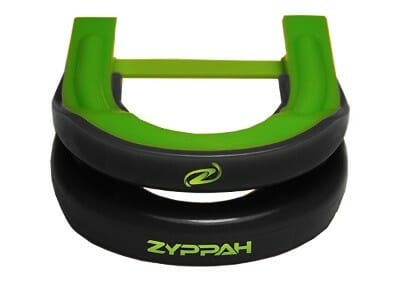
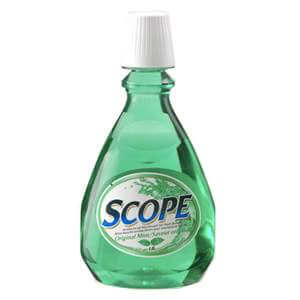 The Zyppah Rx should be cleaned using a soft toothbrush along with an ounce or so of mouthwash. Dip your toothbrush into a small container of full strength mouthwash and carefully brush the device. Be sure to clean in all hidden areas which may harbor bacteria. Once cleansed, rinse the Zyppah off and allow to air dry before storing away.
In addition to daily cleaning with a toothbrush and mouthwash, the manufacturer suggests that you occasionally clean the device using an effervescent tablet such as Polident or Efferdent. These cleaning tablets are typically dissolved into the water before placing the device into the solution and soaking for 5-10 minutes.
RIPsnore
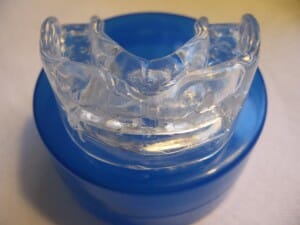
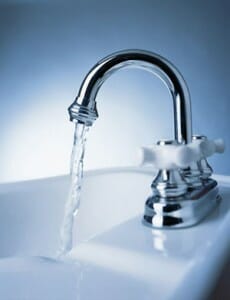 The manufacturer of the RIPsnore offers one simple suggestion when it comes to cleaning the device – “place it under fresh running water”. I tend to disagree with this cleaning advice. However, this is exactly what the manufacturer suggests. Nonetheless, allow the device to completely dry before storing in the provided container.
AveoTSD
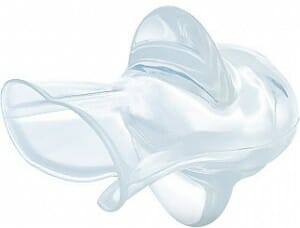
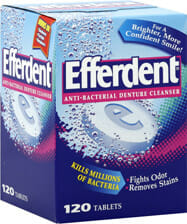 Each day after using the AveoTSD should be rinsed under warm water and turned upside-down to allow to dry. In addition to the daily rinsing, the manufacturer advises that the device is submerged in a denture cleaning solution. Such a solution is created using denture cleaning tablets which can be purchased at your local drug store.
Be advised, you should never clean the AveoTSD in mouthwash as it contains alcohol which will break down the silicone material from which this device is made.
SleepPro
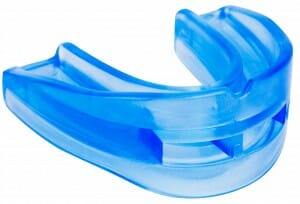
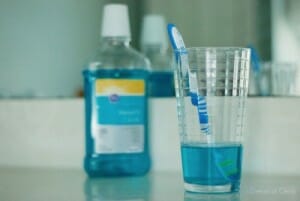 There are two ways in which you are able to clean the SleepPro. This applies to any of the SleepPro products including the Standard, SFA or the Custom.
- Run the device under warm tap water while using a toothbrush to dislodge any deposits that may have formed on the surface. Keep in mind that toothpaste should not be used during this process as it will scratch the surface, causing it to discolor and potentially harbor bacteria. Once all surface deposits have been scrubbed clean you can then soak the device in mouthwash or a denture cleaning solution. The manufacturer advises that over time the chemicals found in both mouthwash and denture cleaners can cause a breakdown of the material. This is why they suggest using the second method of cleaning which involves a specially formulated product specifically designed for the SleepPro.
- Use the SleepPro brand Fresh and Clean tabs. This product is designed to clean your device, leaving a minty fresh taste while not compromising the material from which it’s constructed. Also, these tablets will not discolor your device as harsher store purchased products will. They can be purchased for $8 per pack and each pack contains 20 tablets.
Which mouthpiece should I buy?
The anti-snoring mouthpiece is one of the most highly effective stop snoring solutions available. With over 100 different products to choose from, deciding which one to buy can be challenging.
As a snorer and product reviewer, I have tried many of these devices and created a list of recommended devices that will help to make this decision much easier.
Share This Post:



 The Cause: In most cases, those who have issues with their snoring mouthpiece falling out simply have not given their body a chance to adjust to the new device. These devices tend to work their self out of the mouth (or from the tip of the tongue in the case of a TSD) while asleep. Allowing time for adjustment often solves this issue.
 The Cause: If you are still having issues with your mouthpiece falling out after a 7-10 day adjustment period, it may necessary to make some minor adjustments to allow for a closer fit. Depending on the manufacturer, you may be able to trim, remold, stretch, or make advancement adjustments. Before performing any modifications, be sure to read over the instructions provided by the manufacturer.
 The Cause: Occasionally a snorer will attempt to use a product without first reading over and understanding the fitting instructions. While this may be the least common of the three reasons, it’s something that should still be taken into consideration. If you have allowed time for an adequate adjustment period, have fine-tuned your device and are still having issues with it falling out, you may want to review the fitting instructions.
 If you carefully examine the above causes and corrective action, you will find that 95% of the time this issue will resolve itself. However, it could be the case that you are not a good candidate for an oral appliance. Before throwing in the towel, take advantage of the customer service that is provided by the company who produces your particular device. Most of them are eager and more than willing to assist you with any issues that you may be experiencing. They may, for instance, send you a larger (or smaller) model that may offer a better fit or perhaps give additional advice to help prevent their device from falling out of your mouth.

 After hearing about these anti-snoring gadgets, the first place that most people look is in their local pharmacy or retail superstores such as CVS, Walgreens, Riteaid, Target, Walmart, or a number of other local establishments. This is certainly the path that I took several years ago when initially introduced to these types of products. Before coming home empty-handed, I purchased what appeared to resemble a stop snoring mouthpiece from Walmart. Unfortunately, this product turned out to be a nightguard. It turns out that the two are not at all the same.
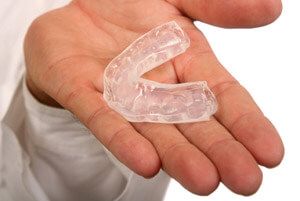 Sports guards or teeth grinding night guards often closely resemble their anti-snoring counterpart but the reality is that they are not quite the same. A sports guard is designed to help protect your teeth from injury while playing contact sports. They are typically one piece and fit around the upper teeth. When in place, they prevent the teeth from making contact with each other in the event of impact while playing sports. These types of products offer no jaw-advancing feature whatsoever. Nightguards are similar to the sports guard but are designed to prevent teeth grinding or
 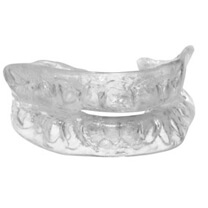 The snoring mouthpiece (also known as an oral appliance) on the other hand is created by taking an impression of both the lower and upper teeth. While each product varies somewhat in design, they all work by holding the lower jaw in the forward position. By doing so, airway muscles are tightened which prevents the sounds associated with snoring. The sports guard or dental night guard are simply not designed to keep the lower jaw forward. Keep in mind, they can not be modified to do so. The only solution is to buy a mouthpiece that was specifically created to perform this particular function.
 In most countries (particularly the US) such anti-snoring products cannot be found in retail stores. There certainly has to be an explanation as to why this is the case. Well, there is and it has to do with the classification of this particular gadget. Technically speaking, the Food and Drug Administration (FDA) considers these a “medical device” and has placed certain restrictions on the sale of such products. In short, the FDA uses a classification system and the snoring mouthguard is classified as a Class II medical device that should be sold on a prescription-only basis. Fortunately, there are a few loopholes that are used by manufacturers when selling directly to consumers. These “exceptions” allow them to sell directly to the end consumer in a legal fashion. For instance, you may be asked to fill out a questionnaire in order to determine eligibility to purchase their product. There are other workarounds that are commonly used, however, this is beyond the scope of our discussion.
 The best place, and in many cases the only place, that you can purchase these anti-snoring devices are directly from the manufacturer by visiting their website or by a phone call. While having to special order one of these gadgets and having it shipped directly to your home is not the most convenient of all things, it’s the only way that you are able to purchase one. The current laws have been in place for several years and will likely not change anytime in the near future. There is some good that comes from all of this. Since you are purchasing straight from the manufacturer and not a retailer, you can expect somewhat of a break on the price.
 If you take a look on eBay you will likely find mouthpieces for as little as $10 shipped to your door. While this may sound like a real bargain, these inexpensive products typically fall into one of two categories: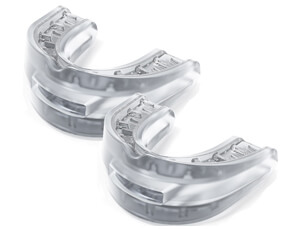
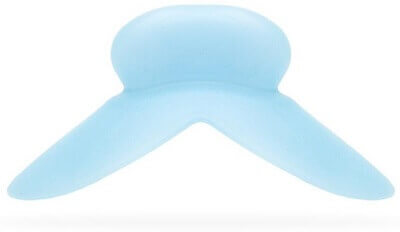
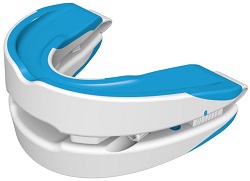


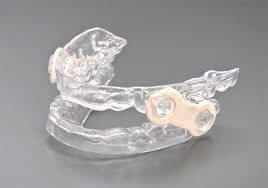
 In the end, most people simply want to know if they can substitute an OTC snoring mouthpiece for a CPAP machine. After all, over-the-counter devices often sell for a fraction of the price and seem to be very similar in nature. The answer to this question really depends on your individual circumstances. There are individuals out there who have had success substituting one for the other. However, one should not make this decision alone. There are many factors that determine whether or not you may be a good candidate for a substitution. Teeth and gum health, severity and type of apnea, along with several other factors will help doctors to determine this. Some doctors are agreeable when it comes to using internet ordered devices to treat mild to moderate cases of OSA while others are completely against the idea (sometimes due to reasons of monetary loss). If you are interested in using a snoring mouthpiece to treat your sleep apnea, first ask your doctor if there is a particular device that he or she is familiar with and would recommend. If not, do some research and pick out a potential device that you are interested in. Gather information on the device and ask your doctor for their professional opinion before proceeding any further. This website offers a


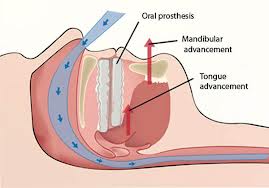 Before discussing whether or not a mouthpiece is a good fit, it’s important to first understand exactly how most mouthpieces work. Whether you are interested in the
 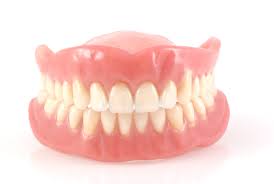 One of the most common questions often asked by snorers is whether or not one with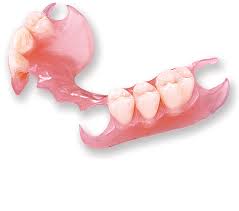
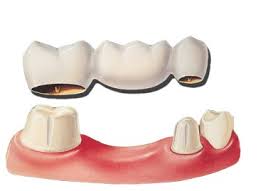 Perhaps you have bridge or crown work and would like to know whether or not a mouthpiece is a good idea. As with partial dentures, the answer greatly depends on the position of your bridge(s) or crown(s) and the overall health of your remaining natural teeth. Those who have bridges or crowns located at the rear of the gums would certainly be a better candidate than those who’ve had work done on the front teeth. Strong, healthy teeth at the front of the mouth are a requirement which should not be overlooked.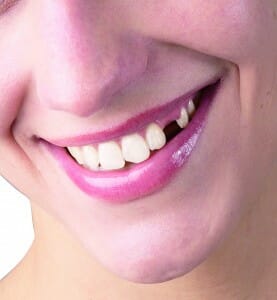


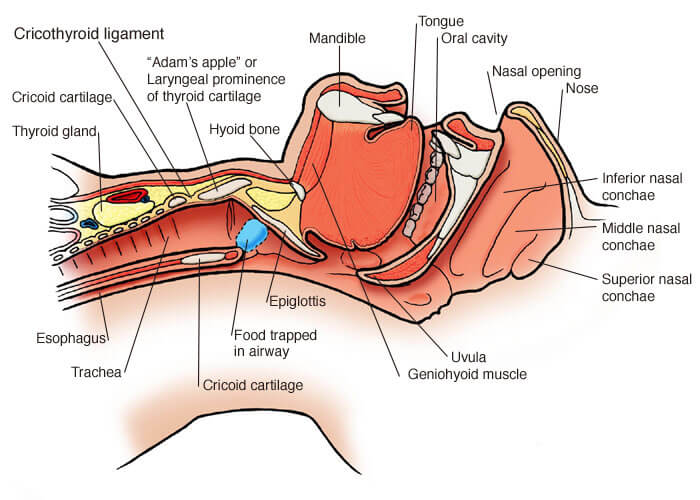 In order to fully understand how the GMSS works, you must first understand how the airway can effect snoring. As we sleep, the muscle mass in the airway tends to relax which often results in a partial blockage of this already narrow area of the throat. In some cases, the narrowing can completely cut off the flow of oxygen. This potentially dangerous condition is known as sleep apnea and should be diagnosed and treated by a
  You genetics. Snoring may simply be caused by your genetics. Physical features that cause snoring could have easily have been passed down from your mother, father or both parents. Individuals who have a malocclusion (overbite) have a jaw that’s naturally recessed which can ultimately cause a narrowing airway. It’s also possible that something as simple as the shape of your airway is to blame for a snoring problem.
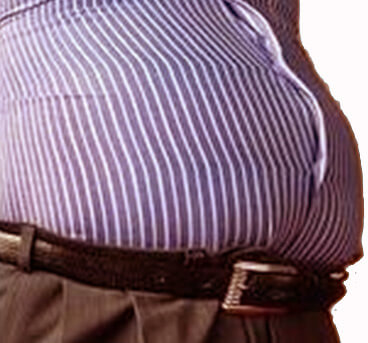 Being overweight. Here’s one that you may not have expected but being overweight can cause snoring issues. Having a few extra pounds means that extra fat deposits tend to accumulate around the neck and while laying down the fat pushes against your airway, causing a partial collapse or complete closure in some cases. The effects can be heightened depending on the position of your head.
 It turns out that there are actually two clinically proven types of mouthpieces that can be used to prevent snoring. The traditional mandibular advancement device or MAD works by tightening the muscles inside the throat where the airway often becomes narrow by holding the mandible in the advanced or forward position. Doing so also pulls the muscles which surround the airway tight. With the tongue stabilizing devices such as the GMSS, the tongue itself is held forward, not the jaw. This method actually packs a one-two punch as it not only opens up the airway but also prevents the tongue from falling back into the throat which is yet another cause of snoring for some people.
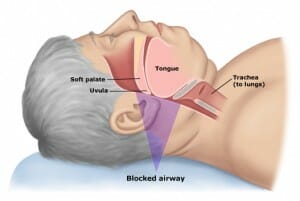 The Good Morning Snore Solution attaches to the end of your tongue using a suction bulb. The tongue is held forward between the teeth and the lips. Holding the tongue forward also stretches the muscles in the airway as we discussed earlier. Muscles are stretched – the airway tightens up and open – tissue no longer flaps around – problem solved!
 If you are interested in learning more about this device I have created a

 Several years ago I discovered that I had a snoring problem. Well, actually it was my wife who discovered my problem. In an effort to find relief and save our marriage, I began a quest to find a stop snoring product that actually works.
 As time went on, my snoring continued so I decided to seek the advice of my doctor who evaluated my snoring and concluded that well, I
  Later that night I began to search online for some type of at home oral appliances. You know, the do-it-yourself version of a mouthpiece. I found quite a few such devices and astonishingly, most of them cost less than $100. Well, a hundred dollars certainly sounds more reasonable than $1,500 plus. After doing some searching I started to realize that within the OTC snoring mouthpiece industry there was a bit of debate as to which device was most effective at preventing snoring. Some devices offered features such as the ability to adjust while others were held in a fixed position. Some offered breather ports while others did not. Some created a custom impression using boil and bite technology while others were sent off to a laboratory to be created. It soon became increasingly clear that making a decision among OTC oral snoring devices were not going to be easy at all.
 The results of this experiment may surprise you as it certainly did, in fact, come as a surprise to me. Almost all of the devices that I experimented with did, in fact, stop my snoring. So we know that the principle of the mandibular advancement device is in fact valid.

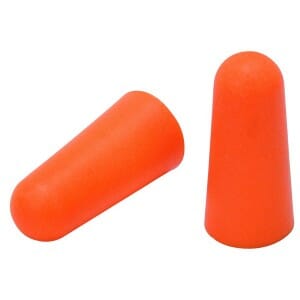
 So you have decided to try out a set of earplugs in order to drown out your partner’s loud snoring. What are the best earplugs for snoring?
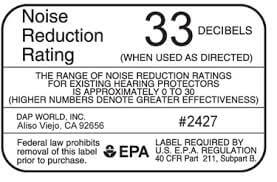
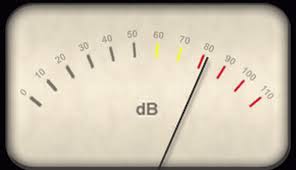 When choosing a pair of earplugs, pay close attention to the NRR rating which is the most important factor that should be used to compare one product to another. The NRR is simply indicating the number of reduced
 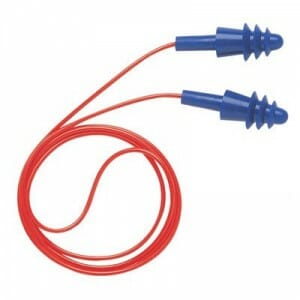 There is some debate when it comes to disposable vs reusable as far as which is better. As for effectiveness, when installed properly a disposable set of earplugs with an NRR of 30 should block out 30 dB of sound just as effectively as a pair of reusable plugs with an NRR of 30. Reusables, of course, offer a long-term cost savings advantage. Keep in mind that special care should be taken while cleaning reusables to avoid ear infections.
 Earplugs are often used to block out the sound of a partners snoring but is this really a solid solution? The reality is that it’s much better to address the source of the sound which in this case is your partner. The fact is, your partner’s snoring could be reduced by using a simple device such as a mandibular advancement splint. In some cases, their snoring may be an indicator of a more serious condition such as sleep apnea and should not be ignored by putting earplugs into your ears.
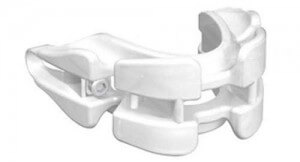 If it turns out that they simply snore, treating the sounds associated with simple snoring can be achieved using a snoring mouthpiece. These devices range in price between $40-$200 and in most areas are only available online. I’ve experimented with nearly 2 dozen different types of mouthpieces and posted a

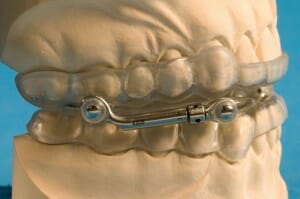 Originally developed in the 1980’s, the snoring relief mouthpiece was commonly referred to as a “mandibular advancement device”, “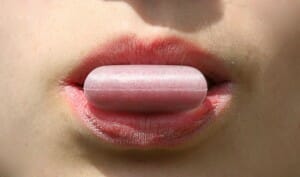



 We all know of someone who snores on a regular basis. This person may be a spouse, parent, family member, or perhaps even yourself. Snoring is a common nuisance that has plagued households for centuries and there are no signs of it becoming less prevalent.
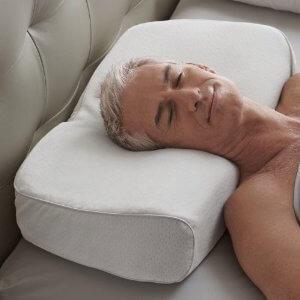 Snoring pillows – These are usually a memory foam pillow used to support your head in such a way that relieves pressure on your airway which keeps it clear. They work by keeping your head elevated at a comfortable level while keeping your chin away from your chest.
 Snoring nose strips – BreatheRight is perhaps the most popular brand of snoring strips. These work by opening narrow or blocked nasal passages and allowing air to flow. If your snoring is caused by blocked passages then this product may provide some relief.
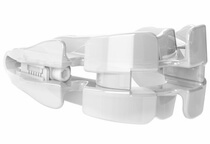 Snoring Mouthpieces – This product addresses one of the most common
 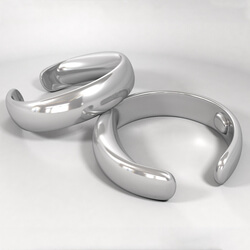 Anti-snoring rings – These devices claim to eliminate snoring by the use of acupressure. The Chinese have used acupressure for thousands of years to treat various ailments. Most acupressure rings are placed firmly on the pinkie finger before going bed. Manufacturers claim that the principle of acupressure relieves snoring.
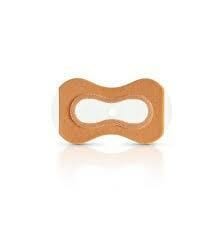 Positive airway pressure strips – This option has recently become available without a prescription. It’s a bandage-like device that adheres to your nose and uses microvalves which open while breathing in and close while breathing out. The closing action naturally causes positive airway pressure which keeps your airway open.
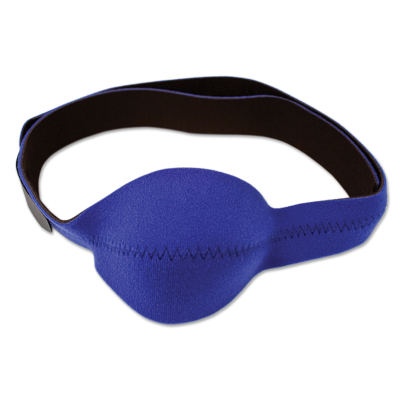 Chin straps – This product physically holds your jaw in the closed forward position which widens the airway, reducing the possibility of restricted breathing. They usually come in several sizes and are usually adjustable
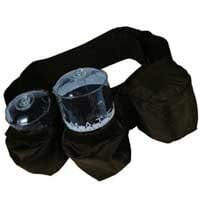 Rollover prevention device – Is usually worn around the chest and has a large object located at the rear which prevents you from rolling over onto your back. For positional snorers, remaining on the side instead of the back can prevent snoring from occurring.
 Nose strips? Chin straps? Rings? With so many options available, most people simply want to know which one is the best. In order to answer this question, you must first understand exactly what causes snoring.
 Snoring pillows, nose strips, rings, and rollover devices simply do not address the issue of loose tissues in the throat. Chin straps may effectively hold the jaw closed yet rarely hold it in the forward position which actually tightens the throat muscles. Positive airway pressure strips are a newer product that uses microvalves to naturally force air through the airway, keeping the airway open. These are clinically proven to be effective 76% of the time but rather than tightening airway muscles, this product works by pressurizing the airway, sort of like a CPAP machine. While impressive, it does not directly address the core problem and is hit or miss when it comes to effectiveness.
 This leaves one stop snoring product that effectively treats the most common cause of most snoring. By now you have likely read the name of this website and can venture a guess. The Snoring Mouthpiece is the
 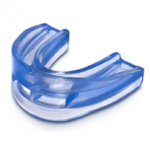 The “boil and bite” style is by far the most widely produced mouthpiece design worldwide. Its name is derived from the fact that you must heat the device (usually in boiling water) and then bite down on it after placing into your mouth. While there are some different attributes such as the presence or absence of breathing holes, these are all similar in nature and are all generally effective. One criticism of this device is that they are often thick or “bulky” often causing a bit of discomfort, especially if you are new to such a device.