
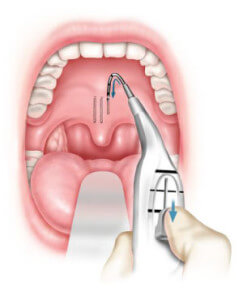
An injection Snoreplasty is a relatively new medical procedure that is indented to aid against and stop snoring. Unlike other procedures such as tonsillectomies and adenoidectomies, an injection snoreplasty is much less painful, fast, and affordable. The procedure itself involves first numbing the upper palate of the mouth and then injecting a stiffening or sclerosing agent that will eventually form scar tissue in that area. As the scar tissue develops, it naturally stiffens the area where the injection was made and reduces the surface area where the air vibration occurs in the airway that leads to snoring.
Injection Snoreplasty Procedures
Undergoing an ENT exam
You must schedule a thorough ENT exam with your Ear Nose and Throat doctor before moving forward with the thought of this procedure since it’s not the right treatment for everyone. The thorough exam is performed to ensure there are no other underlying sleep-disorders going on such as obstructive sleep apnea. Sleep apnea is a frequent cessation of breathing from an obstruction in the upper airway. It’s possible that your ENT doctor may order a sleep test so they can monitor your snoring and determine whether or not you have sleep apnea. Injection Snoreplasty is not a common treatment for sleep apnea at this time, however, clinical studies are being done and monitored to see if this is a future solution or treatment for sleep apnea.
An Injection Snoreplasty Procedure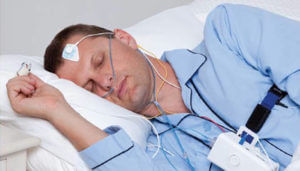
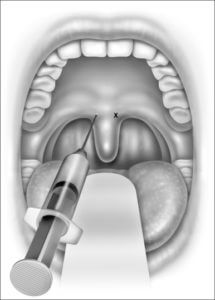
The actual procedure itself is not typically referred to as a surgery but as a nonsurgical “treatment”. It’s comparable to getting a fast tooth filling at the dentist. You check into your ENT doctor’s office, they numb the top/back of your throat and inject a fluid referred to as Sotradecola that will eventually promote tissue scarring. Once the procedure is complete, the patient can return back to work, home, or school the next day or even immediately following the treatment if they prefer.
After an Injection Snoreplasty – what to expect
Immediately following the treatment, you will have some tenderness towards the roof of your mouth. Depending on how you react to the injection, you may or may not need pain medication. Swelling will most likely occur, but it should not be anything major. Expect a sore throat for a few days as well. Over the counter pain relievers such as throat spray, lozenges or Tylenol are typically recommended after the treatment. You may experience the feeling that something feels stuck at the back of your throat. This sensation is from the injection and will go away within a few days once your body scars and gets used to the hardening of the palate tissues.
Prescribed medications can also be taken if your doctor suggests them. Consult your doctor after the procedure to make sure any medicine you are currently taking does not interfere with any prescribed pain meds that your doctor may administer. Most patients can return to work the same day after the treatment. You will not notice an immediate improvement in your snoring because the palate tissue needs to scar and harden first. This can take several days to a week – everyone has different results. Once the scarring occurs, the vibrations on your palate will reduce since the mouth tissues will be hard. Some patients require multiple treatments and injections. This just means that your body did not scar as much in the area near the injection. You will consult with your doctor at a follow-up appointment and they will examine the scarring and determine if another treatment is necessary or not. Your doctor may also order another sleep test to evaluate the results of the treatment.
Injection Snoreplasty Q&A
 Will I be in the hospital for several days?
The short answer is no. However, if complications do arise during the procedure, further hospitalization may occur. Everyone handles procedures differently. This is typically a very quick out-patient treatment similar to a dental visit and usually, adults can return back to work the following day or same-day.
Do I need general anesthesia for an Injection Snoreplasty?
In most cases, just local anesthesia is administered during an injection snoreplasty. A topical anesthetic numbs the upper portion of the mouth where the hardening agent is injected. If you have problems with dental visits and are usually given general anesthesia during dental visits, then you may request to be put under during this procedure as well. But in most cases, a topical anesthesia is administered.
Is it expensive?
The procedures can range from $200-$800 per treatment. It may take up to 2 treatments to be completely effective. Based on your insurance plan, one or more treatments could be covered by your insurance provider. Some providers cover the initial consultation and evaluation, but not that actual procedure. Be sure to check with your healthcare provider before planning and scheduling this treatment.
What is the recovery time like for the procedure?
There is very little recovery involved with an injection snoreplasty if any. In general, the treatment itself is almost as simple as getting a Novocain shot in preparation for a tooth filling. Once the stiffening agent is injected, the doctor may keep you for several minutes to make sure there is no immediate reaction to the injection fluid. After that, you can simply leave the doctor’s office and return to school or work as planned for the remainder of the day. You will have a slightly sore throat for a few days, but the recovery time for this procedure is much less than that of a tonsillectomy or adenoidectomy. It is not as invasive; therefore the recovery time is very minimal.
What does the actual treatment involve?
The 20-30 minute treatment is very basic. 1. The doctor numbs the upper throat with a topical numbing agent. 2. A stiffening sclerosing agent is injected into the top of the mouth right in front of the uvula or upper palate. 3. You can wait patiently for a few minutes until the doctor approves you can leave the office. Once the agent is injected, a small blister will form over the next few days and scar tissue will develop in that area. The mouth tissue hardens from the scar tissue, which retracts the uvula forward thus eliminating the palatal flutter that is the ultimate cause of snoring.
What is a sclerosing agent?
A sclerosing agent is a solution that contains an irritant substance that will disrupt the space or area where it is injected. The actual contents are not harmful, however, it is meant to irritate the upper portion of your mouth just as a cut or wound would –eventually forming a scar or scar tissue. The most common sclerosing agent used on a treatment such as this is Sotradecola. Once the scar tissue forms, it becomes hard and makes the upper palette stiff; thus reducing or eliminating snoring.
What is Sotradecola?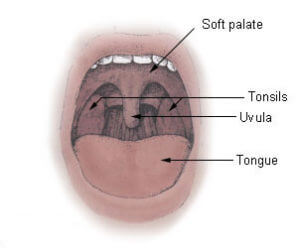
Sotradecola is the short term for the medical name sodium tetradecyl sulfate. This is the most used hardening agent used during an injection snoreplasty. Sotradecola is approved by the Food and Drug Administration. It is typically used in varicose vein procedures. The FDA recommends it is used for intravenous use only. There are some side effects from this stiffening agent. It can trigger allergic reactions like anaphylaxis, a serious allergic reaction that rapidly onsets. If this occurs, epinephrine injections can counteract the reaction. Sotradecola can also cause tissue necrosis which in simple terms is cell tissue death. An example of necrosis is gangrene. When this occurs, the affected area usually needs to be surgically removed.
What is involved in injection snoreplasty prep the day before the procedure?
There is little to no prep for this treatment. Unlike other stop-snoring surgeries, an injection snoreplasty is not invasive or a complicated procedure. Some doctors may administer a mild sedative before the procedure, or a topical numbing agent. There is no fasting or other medical prep that needs to take place for this treatment unless of course there is a special instance where the patient needs to be given general anesthesia. This is unlikely and a rare instance.
What are the side effects of injection snoreplasty?
The main side effect of the procedure is discomfort immediately following the treatment. It’s nothing a little Tylenol can’t take care of though. There are several risk factors however and complications may occur that include palate swelling, palatal ulcerations or palatal fistula. Palatal ulcers are typically infectious and you should contact your doctor immediately if you see an ulcer start to form. Palatal Fistula symptoms include impaired speech and fluid leakage into the nasal cavity. These are more serious complications that are rare from this treatment. If any of these signs develop, contact your doctor immediately.
Will injection snoreplasty stop my snoring?
The Walter Reed Army Medical Center staff was the first to invent and practice an injection snoreplasty. Originally a medical study confirmed that the treatment had a 92% success rate when having an average of 2 treatments completed. A more recent study found that the success rate may have dropped to nearly 75%, but only after 2 years of treatment. This is most likely due to the palate scar tissue actually softening back up again. You can have the treatment repeated years after your original procedure in order to keep the palatal tissue scarred and stiffened in order to keep snoring under control.
What if it doesn’t stop my snoring?
In most cases, patients usually require at least two treatments in order to see complete results regarding snoring. Keep in mind that you may have to wait a few weeks in order for the scar tissue to completely form. If the scarring hasn’t started yet, snoring may still occur. If the existing scarring that has occurred is not enough to stiffen the palate tissues, then more treatments will be necessary. If snoring still occurs after 3 or more treatments, there may be another underlying cause of the snoring. Consult with your doctor regarding the matter. They may perform another sleep study in order to see if you have developed sleep apnea.
Can this be performed on a child?
There is no scientific evidence that this is a long-term solution for snoring on a child. More commonly practiced, however, are adenoidectomies or tonsillectomies on children. Palatal tissue scarring can become soft over time, so children may need to get injection snoreplasty treatments over the course of their life. Because of this, it’s unlikely for a doctor to perform this type of treatment on children at this time.
Will I be in pain after the procedure?
It’s typical to experience some discomfort after having an injection snoreplasty. Think about how you feel after having a tooth pulled – you are still swollen and groggy from the Novocain and you may experience some pain in the area of the mouth that your dentist was working in. It’s about the same experience after having an injection snoreplasty treatment done. You may feel like something is stuck at the top of your mouth and will experience some soreness in that area as well. Over the counter medicine should do the trick but your doctor will most likely prescribe pain medication in the event that more serious swelling and discomfort occur.
How much bleeding will occur during or after the surgery?
Surprisingly, there should not be much visible blood at all. After the needle with the stiffening agent is inserted into the palate, there are no other lacerations or injections into the skin. There may be a bit of blood noticeable at this time, but after that, there should be no signs of major bleeding. If you notice an abnormal amount of bleeding, contact your doctor immediately.
Will insurance cover an injection snoreplasty?
In most cases, your insurance provider will cover the initial medical evaluation and consultation. However, the treatments are typically out of pocket expenses. Check with your healthcare provider before scheduling your first consultation. Treatments are relatively inexpensive in most cases.
Is injection snoreplasty a solution for sleep apnea?
An injection snoreplasty is not a suitable solution for sleep apnea at this time. After you have your sleep study performed and have your initial consultation with your doctor, they will evaluate your situation and recommend the best treatment for you.
Less invasive and inexpensive alternatives are available if you do not want to commit to an injection snoreplasty. There are a number of over the counter and prescription based devices that can be used to stop snoring. To learn more about our suggested stop-snoring devices, continue reading here.
Share This Post:



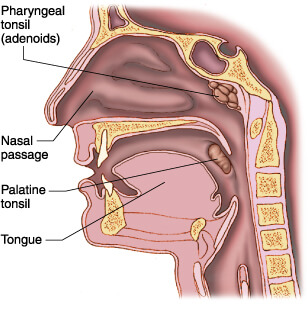
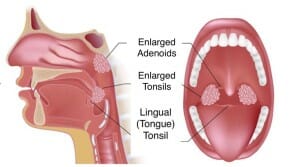 Most general medical doctors would not have these instruments accessible during a routine checkup but they may suggest taking a few x-rays in order to see the adenoids and any inflammation that might be occurring.
 Sleep apnea (a short paused breathing while sleeping)
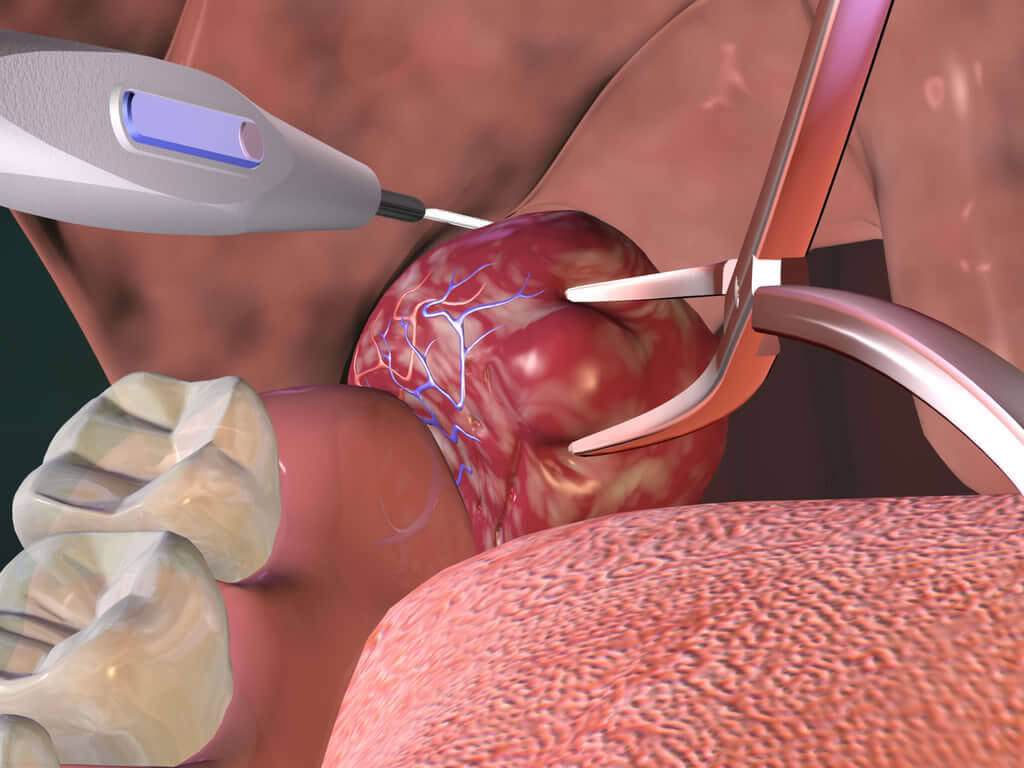
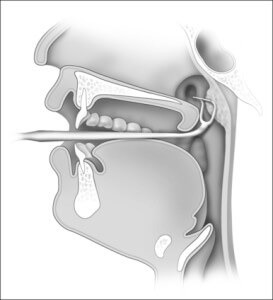 nasal problems and impaired hearing. The procedure is one of the most frequented surgeries done in the U.S. and is most commonly performed on children under the age of 6. Adenoidectomies are performed by ENT surgeons. The procedures are typically done at an outpatient surgery center where general anesthesia is administered. The adenoids are removed from the mouth so there are no other incisions or cuts inside the mouth besides the actual removal of the tissue. Since the surgery is typically done in an outpatient environment, patients usually go straight home once the procedure is completed and has had a successful recovery period following the procedure – about 5 hours. This time frame can fluctuate based on the patient’s performance during surgery and how quickly they awaken from the anesthesia.





 Long-Term Reactions
 be prevented. If you are unsure about taking a medicine or combining it with alcohol or another medication, make sure you consult your physician immediately.


 LAST UPDATE: 4/10/2019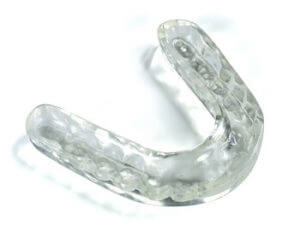
 This may leave you wondering why such mouthguards are sold online but not in drug stores such as Walgreens or CVS.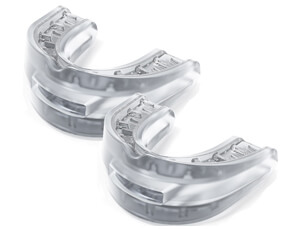
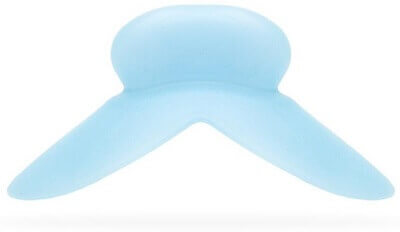
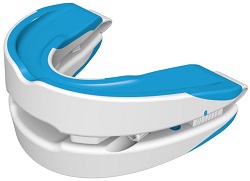


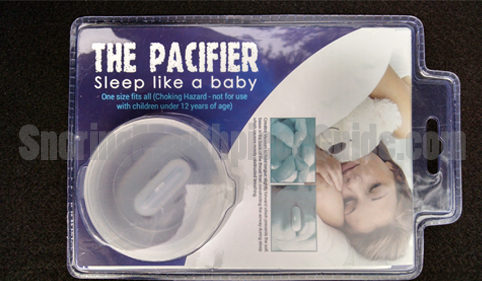
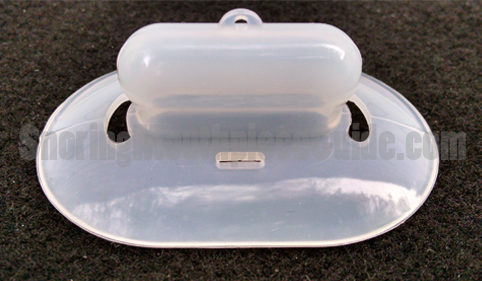
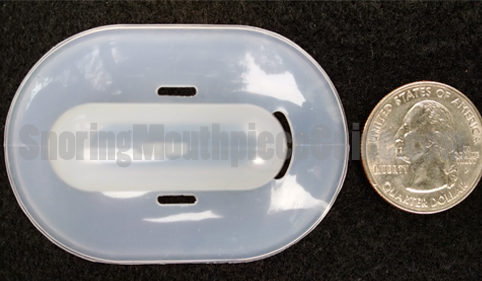
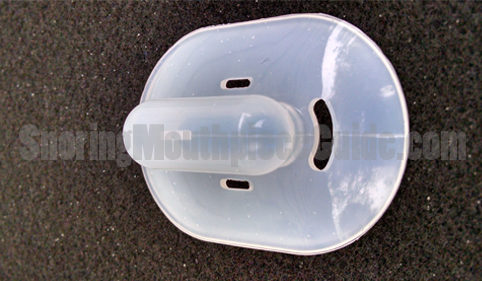
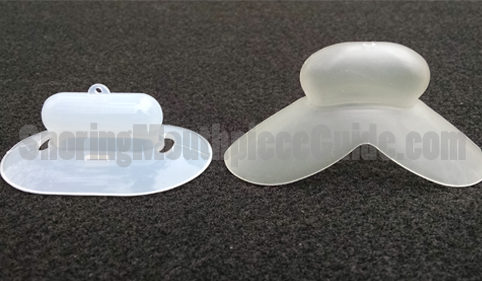
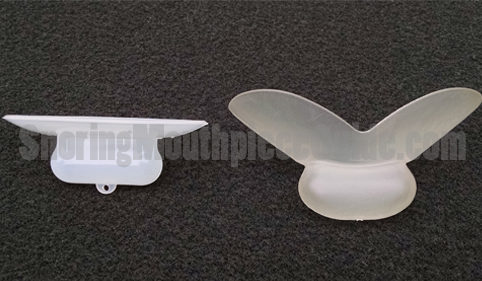
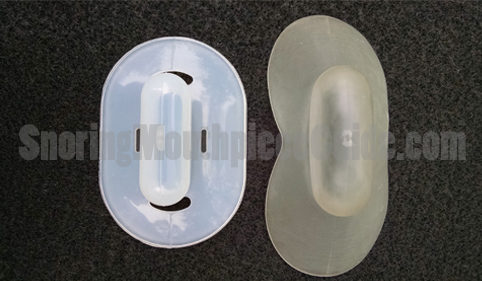
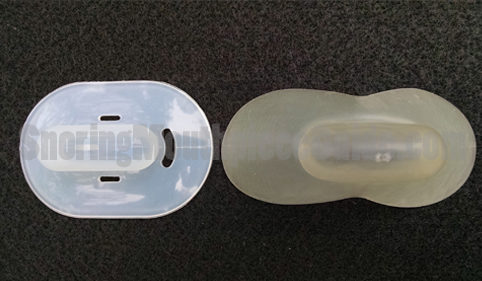
 In the US, oral appliances that are used to prevent snoring are considered a class II medical device. Manufacturers who sell such devices are required to have their product “cleared” by the FDA prior to being able to offer it for sale.
 Information on the company’s website as well as the product packaging does not give us any indication as to where this mouthpiece is produced. It’s however believed that the Pacifier is made in China.
 The Snore Pacifier can be purchased from the companies website for $29.99 which includes free shipping within the United States.
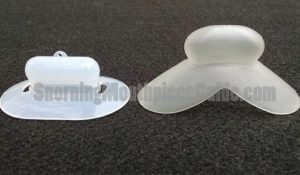 The Good Morning Snore Solution (GMSS) and the Pacifier have several similarities as well as differences.
 In the past, I have tested two other tongue stabilizing devices with outstanding results. Due to the relatively high price tag of both devices, I was eager to find a less expensive alternative to the tried-and-true Good Morning Snore that I have used for quite some time now. Priced at $30, it’s nearly a quarter of the cost of competing TSD’s.

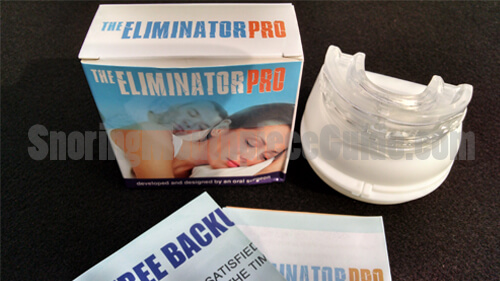
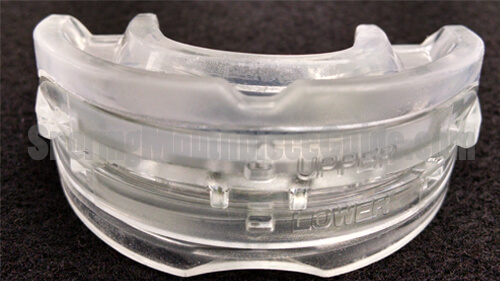
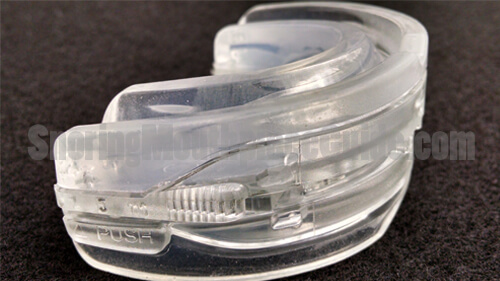
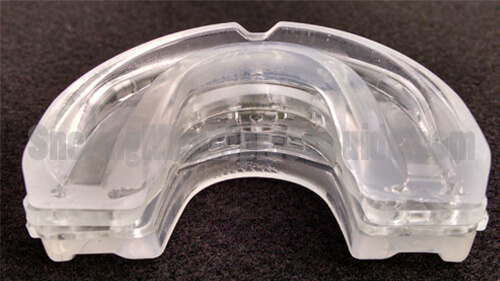
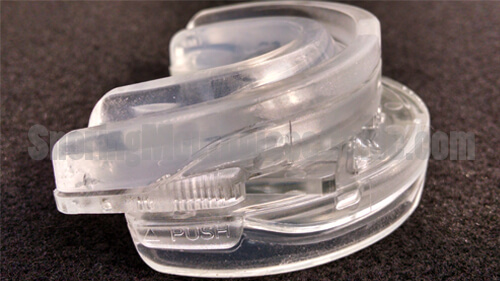
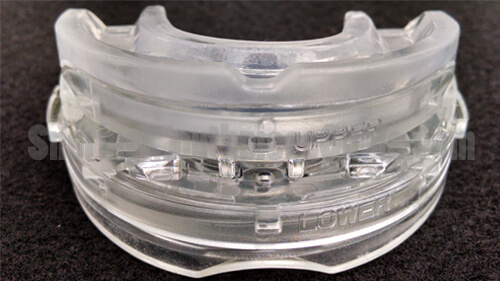
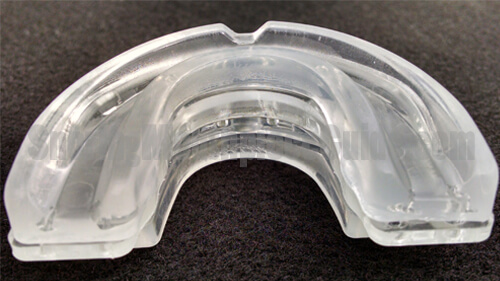
 For years now, simple boil and bite mouthpieces that resemble sports mouth guards or night guards have been
  The overall cost of a product is often a deciding factor when it comes to making a buying decision.
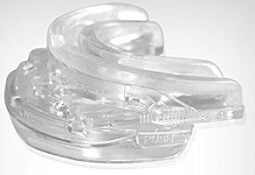 Eliminator Pro
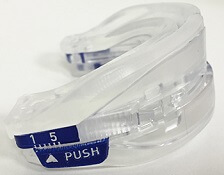 SnoreRx
 While this product is sold on Amazon as a Bruxism night guard with no mentions of the phrase “snoring”, based on the customer reviews, it’s evident that nearly everyone who has left feedback for this product is using it for the purpose of controlling snoring.

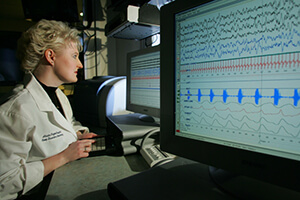 Obstructive Sleep Apnea (OSA), a condition were breathing becomes shallow and often pauses for several seconds while asleep, is becoming increasingly common not only in the United States but all around the world. While being older than 40 and carrying a few extra pounds are often to blame for this condition, this is not always the case as OSA also affects those who are younger than 40 and within a normal weight range.
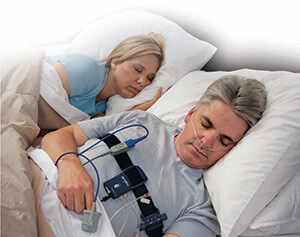 When an at home sleep study is prescribed, the patient has issued a small device in which several sensors plug into. This device records breathing activity as well as blood oxygen levels throughout the night as you sleep. This information is then downloaded and interpreted by either your doctor or the provider of the equipment. At home equipment typically contains the following sensors:
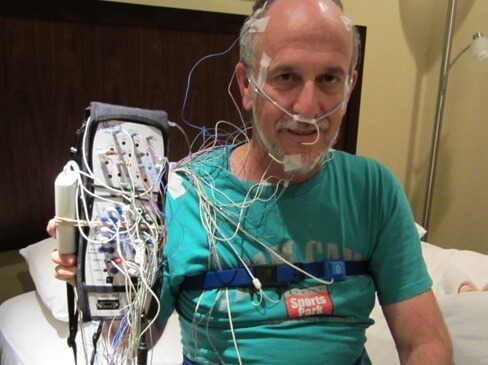 Unlike the at home sleep study, the in lab study is conducted at a sleep center. Chances are if you live in a suburban area or in a major city, there are several sleep centers in your area.
 Both home testing and lab testing have their fair share of criticism.
 There are several factors that one should consider when deciding whether to go with a lab study or home study.

 LAST UPDATE: 4/11/2019
 While searching for an answer, I came across a discussion which featured several doctors who offered their opinion on this topic.
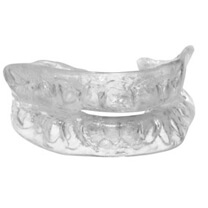 In addition, I also came across a few pieces of feedback left on Facebook pages, blogs posts, and product sales pages from people who were encouraging others not to purchase a particular product because it caused their teeth to move or they are unable to chew or even speak properly after using a particular device.
  While teeth shift and bite issues could occur while using a mandibular advancement device, based on the information that I was able to gather, it is doesn’t seem to be a prevalent issue. There are some claims of tooth movement or alignment issues but not a whole lot of evidence to back up these claims.

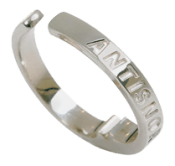 As we all know, or possibly don’t know, snoring is caused by muscles in your airway relaxing a bit too much. When you sleep, these relaxed muscles vibrate, thus creating noise when you breathe in and out. Acupressure, similar to acupuncture can activate the nerves around these relaxed muscles and stimulate them to once again be supportive, ultimately resulting in normal breathing functions and
  orer, and partner could compare night to night during the clinical trial and get the most meaningful results. The couples also used the Epworth Sleepiness Scale and
 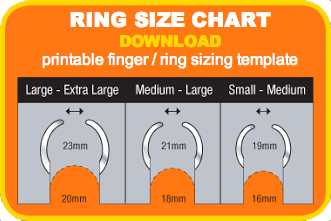 . The medium ring size will fit little fingers that measure 18mm-21mm in sizes or ring sizes 10-14. The large size will fit little fingers measuring 20mm-23mm in diameter or ring sizes 13-18.
 n its original packaging, the receipt for the item (proof of purchase) and your mailing address for which they can send you your refund. Processing time for the return can take anywhere from 7 to 28 days.
