
 Morning sickness, fatigue, and unusual food cravings are all common and often anticipated side effects of pregnancy. However, the occurrence of snoring, on the other hand, leaves most pregnant women confused and usually concerned.
If you are pregnant and have recently started snoring, you may find comfort knowing that over 25% of women begin to snore at some time during their pregnancy. This percentage increases after entering the third trimester of pregnancy.
Snoring during pregnancy not only has the potential to keep your bed partner awake at night, but it may also be a sign that an underlying medical condition may exist. This could be obstructive sleep apnea, a sleep-related breathing disorder in which your breathing becomes shallow or often ceases several times during the night. Due to the potential of such a condition existing, it’s especially important to discuss the onset of snoring during pregnancy with your doctor to rule out the possibility of a more serious condition.
What are some common causes of snoring during pregnancy and how can you reduce or prevent the snoring?
Common Causes
Weight gain
 A likely culprit of this bedroom nuisance is simply weight gain. It’s not uncommon for women to gain an excessive amount of weight during pregnancy. In fact, nearly 50% of American women who become pregnant are considered overweight while pregnant.
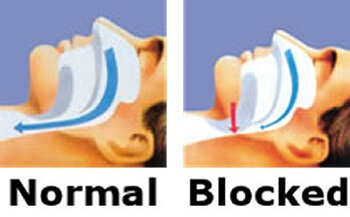
In general, those who are overweight tend to accumulate excess fat and tissue in the neck area. As a result of this excessive material in the neck area, the airway can become constricted and tissues in the airway begin to collide with each other which causes the sound of snoring that we are familiar with.
This may leave you wondering how much weight gain is too much? According to the United States Institute of Medicine, this will vary depending on your normal weight prior to pregnancy. Women who are of normal weight should aim for a gain of between 25 lbs to 35lbs while overweight women should gain between 15lbs to 25lbs. Those who are typically obese should consider gaining only 11 lbs to 20 lbs. In other words, the more you weigh prior to becoming pregnant, the less you should gain during pregnancy.
Inflammation of the nasal passages
Swollen and inflamed nasal passages may be the cause of snoring during pregnancy. Excessive mucus production and nasal passage swelling are common during pregnancy due to an increase in estrogen. Blood vessels in the nose tend to swell which causes inflammation in the nasal passage. Swollen nasal passages restrict airflow and sometimes completely stop airflow through the nose. As a result, snoring will occur as air passes through the narrow opening. Aside from weight gain, nasal passage inflammation is one of the most common causes of snoring in pregnant women.
Physiological
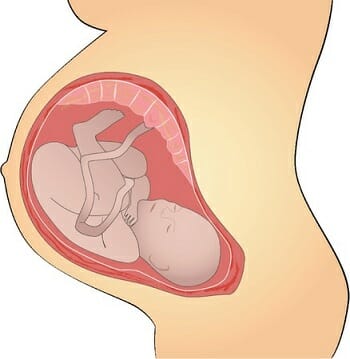 As your baby grows it will inevitably place pressure on your diaphragm which will make breathing more of a challenge. This pressure will cause restricted breathing which may ultimately cause snoring that did not exist prior to pregnancy.
With each passing day, the fetus grows larger, resulting in more pressure against the diaphragm. This is perhaps why snoring is most common in the third trimester as the baby has grown to a considerably large size.
Stress
 Stress can cause a number of different symptoms regardless of your pregnancy status. Stress is often an overlooked factor when it comes to many different conditions including snoring.
Unfortunately, pregnancy can be a stressful period of time due to all of the unforeseen events that can occur within the nine-month period. Combine this with the anxiety of anticipated childbirth and you have several factors that can lead to high levels of stress.
So how does stress cause snoring? It’s well known that stress can affect the rate at which we breathe. An increased rate of breathing along with other factors (such as inflamed nasal passages or relaxed excessive tissue in the throat) can ultimately lead to snoring.
Alcohol, tobacco or sedatives
 You may not know this but alcohol, tobacco, and sedatives such as sleeping pills can all cause snoring as they relax the throat muscles.
Being that we are in the 21st century, we all should be well aware of the problems associated with the use of these products and issues with childbirth. Just in case, avoid all three as they not only cause snoring but also greatly increase the risk of your child being born with a birth defect.
How can I stop the snoring?
 Now that we have addressed some of the common causes of snoring, let’s consider some possible solutions to prevent the snoring. While you may not be able to completely stop the snoring, you may be able to greatly reduce the severity and frequency of it so that you and your partner can get a full night of rest.
Let’s start by addressing the most common cause of snoring during pregnancy – weight gain. I know what you are thinking “but I’m eating for two, of course, I’m going to gain weight”. While this may be true, you should still attempt to stay within the recommended weight range for your body type. As previously mentioned, this should be between 25 lbs and 35 lbs. This amount should be even less if you were overweight or obese prior to becoming pregnant.
Before changing your diet, be sure to speak with your doctor and perhaps a dietitian to determine the best course of action to help you to achieve optimal weight while ensuring that your baby is getting proper nutrients that it needs to develop. It’s fairly safe to say that you should eat less processed foods including doughnuts, ice cream, potato chips, cheesecake, and brownies and eat more wholesome fruits and vegetables.
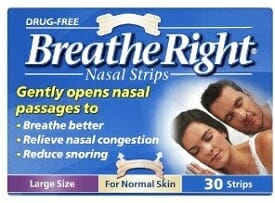 Inflamed nasal passages are going to occur regardless. One solution may be to use nasal strips such as those made by Breathe Right. These flexible strips adhere to each nostril and use the bridge of the nose to create a “spring” action which pulls the nasal passages open. As a result, the nasal passages open up and air flows freely. It’s important to remember that these will only be effective if the snoring originates in the nasal passage area. A 10 pack of these can be purchased for around $5 at your local Walmart, Walgreens, or CVS. If they work, large packages can be purchased at a lower cost per unit.
A change in sleeping position may be all that it takes to stop the snoring. Try sleeping on your left side with your head slightly elevated. Sleeping on your back will actually increase the intensity of snoring as gravity causes the tongue and tissues to fall back into the airway. Sleeping on your side prevents this from happening.
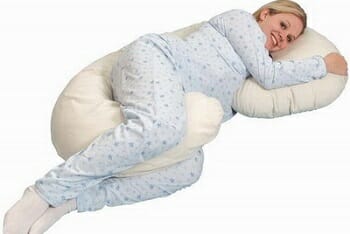 You may also want to try sleeping with a specialized pillow which will help to elevate your head and make sleeping on your side more comfortable.
It goes without saying that you should not consume alcohol, use tobacco or sedatives while pregnant. There are of course several reasons for this, snoring being one.
Finally, you may want to consider a snoring mouthpiece. These simple devices are usually custom fitted and can be placed in your mouth before going to bed. They work by holding the lower jaw slightly forward which helps to keep your airway clear of obstruction. A variety of manufacturers make this product but almost all work by using the same principle. One product, in particular, is the Joy mouthpiece. The Joy helps to prevent pregnancy snoring and can also be additionally used as a birthing mouthpiece which can actually shorten your delivery time while giving birth. Learn more about the Joy Mouthpiece and how it can benefit you.
Whichever solution you choose, ensure that you first speak with your doctor, especially if you wake up tired and with frequent headaches as this may be a sign of a more serious condition such as obstructive sleep apnea.
Share This Post:





 Z- Clean is a product that has been developed by the oral appliance manufacturer Zyppah who has teamed up with an Orthodontic Appliance Plastics, (O.A.P.) a Hewlett, NY company that specializes in cleaning and disinfecting products for everything from aligners to dentures and mouthguards.
 Zyppah is currently selling one bottle for $19.95 plus $9.95 shipping and handling, bringing the overall cost to $30. However, if you are purchasing this as an add-on item while buying the Zyppah, shipping is combined and there are no additional shipping and handling charges.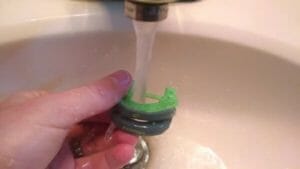
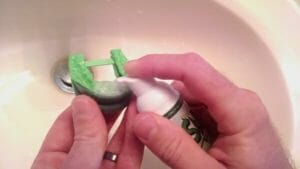
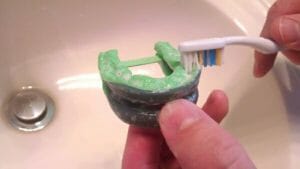
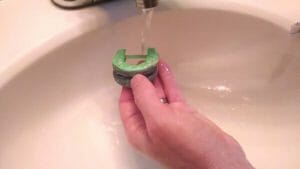
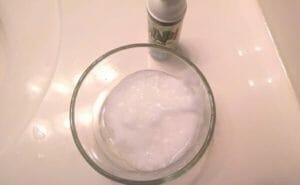
 Z Clean is an effective cleaner and sterilizer that solves the issue of smelly mouthpieces. While it’s a bit on the expensive side, a little bit really goes a long way. If used sparingly, a bottle will last for several weeks. In my opinion, $20 is a small price to pay for a product that cleans and sterilizes, leaving only a fresh mint scent behind. The Z Clean is by far the best oral appliance cleaning solution currently available on the market.

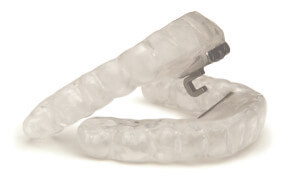 You have spent countless nights trying to become accustomed to wearing your CPAP mask and have grown tired and feel defeated. Frustration sets in and you are actually considering surgery as a solution to your sleep apnea. If this sounds familiar, you may want to take another look at your options prior to undergoing an often painful and risky surgical procedure that still do not guarantee results.
 This type of treatment does have its limitations.
 After many failed attempts with the CPAP, you have decided to further explore dental appliances. What exactly is a dental appliance, how are they used, and how much do they cost? These are a few questions that I hope to answer.
 One of the most commonly asked questions that I hear is “How much will an oral appliance cost?” or “Will my insurance cover one?”. The short answer is
  Most doctors will tell you that invasive surgery should be last on your list when it comes to treating OSA. Depending on the type of surgery that you are considering, the recovery period could last for several days to several weeks or even months. Even after undergoing surgery, some patients still have issues with sleep apnea.

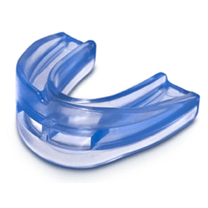 The first product that I had tried was a simple one-piece boil and bite device with two medium size breather holes at the front. When it arrived, it appeared to be about the size that I had envisioned based on the online photos. Before starting the fitting process, I placed it into my mouth to get a feel for its actual size. As I expected, it was pretty bulky and left about a half inch of space between my upper and lower teeth. At this point, I began to question whether or not I would be able to tolerate such a gargantuan piece of plastic stuffed inside of my oral cavity.
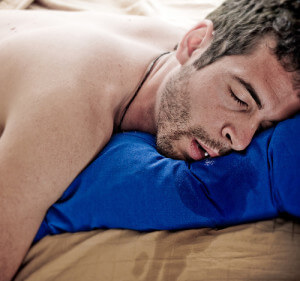 From here I gave it a try, to see if it actually worked. The first night was rather awkward. I woke up in the morning next to a large pile of drool and felt a bit of soreness in my jaw. While I was not exactly thrilled with my first night experience, I was pleasantly surprised when my wife told me that I did not snore one bit throughout the night. This confirmation provided a glimmer of hope that I may have found a snoring solution that actually works. After contacting the manufacturer’s customer support, I learned that drooling and soreness are typical side effects that usually disappear after a few days.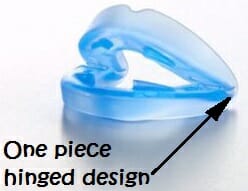
 After several different trials with various products, I must say that each takes a few days to adjust. After passing the adjustment period, wearing a snoring mouthguard is comfortable and fairly easy to tolerate. While I still prefer a more compact version of this product, such as the zQuiet, I always eventually became accustomed to wearing any product that I have tried.

 Before getting too far ahead, it’s important to understand that in most cases, health insurance companies are not going to cover an appliance that is used for the sole purpose of controlling snoring.
 Unfortunately, with so many insurance companies out there, it’s impossible to make a blanket statement concerning all insurance coverage. Since the insurance companies do not publish the amount that they will cover, not even your doctor can give you an exact out of pocket amount until several weeks after getting the insurance process rolling.
 As a general rule, it’s a good idea not to depend on your insurance company to cover 100% of the cost of your oral appliance. Although better insurance companies will pick up all of the costs associated with obtaining an oral appliance, others will only cover about half.
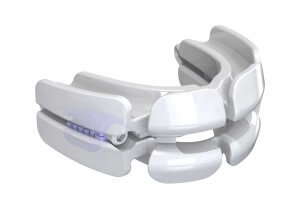 What if you are interested in obtaining a dental appliance for the sole purpose of controlling snoring that is not related to OSA?
 In recent years, there has been quite a bit of confusion regarding oral appliance therapy and insurance coverage. Unfortunately, many people have been led to believe that oral appliances are expensive and most insurance companies do not cover them. While this may have been true in years past, this no longer seems to be the case.

 According to the
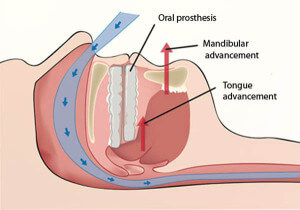
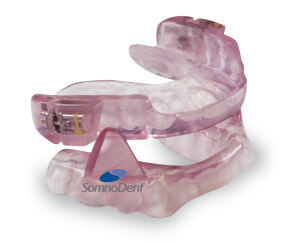
 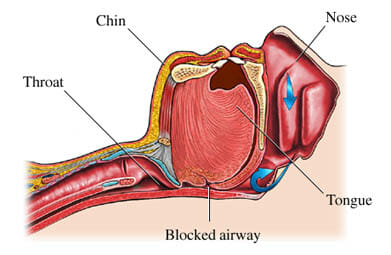 In a nutshell, a traditional a MAD resembles an athletic mouthguard and is placed into the mouth at night before going to bed. The device fits around your teeth and holds the lower jaw forward. Doing so opens a restricted airway which is the most common area where snoring occurs. A more in-depth explanation of how these devices work can be
  One of the greatest safety concerns when it comes to using a mouthpiece to prevent snoring is whether or not there is a presence of what is known as sleep apnea. Sleep apnea occurs when there is a momentary pause in breathing while asleep that can often last for several seconds. It just so happens that snoring may be a sign of sleep apnea.
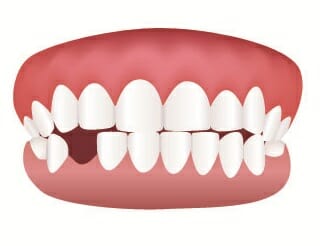 For the sake of safety, those with loose or a number of missing teeth should not use a mouthpiece to prevent snoring. Two trays, an upper and lower, fit snugly around the teeth and use leverage points to hold the jaw in the forward position. Since a strong set of teeth are needed for proper functioning, such devices should not be used if you are experiencing any such dental issues.
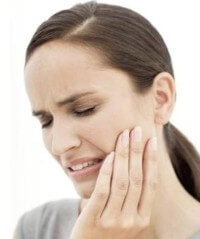 For those who have jaw issues such as Temporomandibular Joint Dysfunction (TMJ), a jaw that pops, locks, or dislocates or any other problems with their jaw should not use a mouthpiece for snoring. Doing so is not safe and can cause further issues.
 Choosing a product that has been cleared by the Food and Drug Administration (United States) is an important safety consideration that should be examined prior to using a mouthpiece. The FDA examines the safety of such medical devices and issues clearance prior to the product being sold.
 When it comes to safety, be sure to review the above safety considerations before deciding to use any such product to stop your snoring.

 One of the latest snoring treatment options to appear on the market is the dental appliance, better known as a snoring mouthpiece. While the technology behind this device dates back to the 1980’s when it was issued exclusively by dentists, it wasn’t until recent years that several manufacturers started to produce an at home do it yourself version of the device.
 Inexpensive – As previously mentioned, the cost of most products are around $100, in many cases much less. The cost of professionally fitted custom devices is between $1,500-$3,500, often with little to no insurance reimbursement when used for the purpose of controlling snoring. It’s easy to see that pro-fitted appliance cost 15x-35x more than a DIY.
 After reading over the advantages and disadvantages, you may be asking yourself “Is it worth it?”.

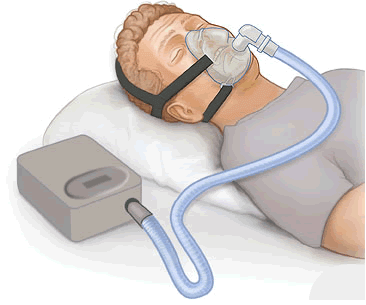
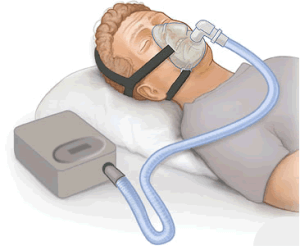 The Continuous Positive Airway Pressure (CPAP) machine is considered the “gold standard” when it comes to treating Obstructive Sleep Apnea (OSA). Those who have been prescribed a CPAP machine often describe the experience as uncomfortable, irritating, and cumbersome. Some patients complain of issues keeping their mask securely fastened to their face, a dry stuffy nose, dry throat, and skin irritation.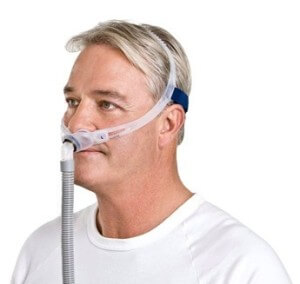
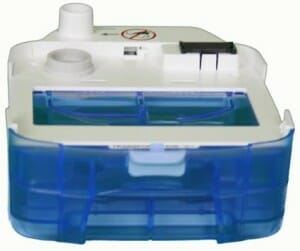 Nasal, mouth, and throat dryness are also another common issues that CPAP users often experience when using a machine for the first time. If
 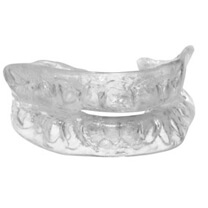 A less expensive alternative to a dentist fitted mouthpiece is the self-fitted MADs which are available from a number of different manufacturers at a fraction of the cost of a professionally fitted product. These self-fitted devices usually cost between $50 to $100 and can be
 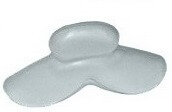 An alternative to the self-fitted MAD is the one-size-fits-all TSD. There are currently two manufacturers who make a TSD – Good Morning Snore Solution (GMSS) and the AveoTSD. The AveoTSD can only be purchased from your dentist while the GMSS can be purchased online without the need to submit a prescription.
 Several people have already made the switch from a CPAP to a mouthpiece. Does this mean that you should also make the switch? This is a question that absolutely needs to be discussed with your doctor before making a decision. There are several factors that should be considered such as the severity of your apnea as well as the type of apnea. Changing the type of treatment without first consulting with your doctor can be dangerous to your health so please be sure to discuss this option with your doctor prior to making any changes to your current treatment.

 With over 200 million items offered for sale from 35 different departments, it’s no wonder why Amazon.com is the worlds largest e-commerce company with over $74 billion in annual sales.
 One of the biggest considerations that one should look into before purchasing a mouthguard from Amazon is whether or not the product being sold is being regulated. What exactly do I mean by “regulated”?
 These questionnaires are designed to help prevent people who have a more serious medical condition such as TMJ or sleep apnea from buying their product. In order to proceed with an order, the answers to your questions must meet the manufacturer’s criteria. Doing so, the manufacturer makes a reasonably safe assumption that their product is a good fit for you.


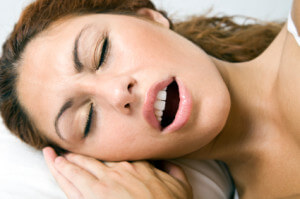 “Women don’t snore!”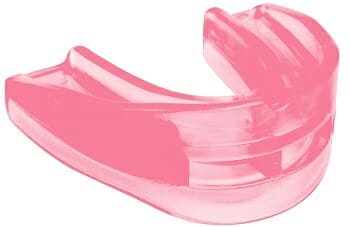

 It’s important to mention that while these three products are marketed and sold as “women’s” mouthpieces, this can be somewhat misleading. For the average woman, most standard or regular size mouthguards will work just fine. The smaller size should only be used if you are finding that standard size devices do not fit properly or are uncomfortable.
