
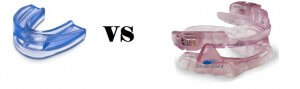
 Every year an increasing number of people are being diagnosed with Obstructive Sleep Apnea (OSA) and they have typically issued a CPAP machine which for years has been the gold standard for treating OSA. Unfortunately, many find their prescribed mask to be uncomfortable and end up storing the device away in a closet or they seek alternative treatment methods. One such alternative is the sleep apnea mouthpiece, also known as a mandibular advancement device. Lately, there has been a bit of confusion when it comes to exactly what a sleep apnea mouthpiece is and how it compares to commonly advertised mouth guards for snoring. The two devices are similar in nature but are they the same?
Similarities between sleep apnea mouthpiece and snoring mouthguard
 There are a number of similarities between the two devices. Technically speaking, they both are mandibular advancement devices. This simply means that they are designed to hold the lower jaw in a slightly forward position. In most cases, the lower jaw is advanced to the extent where the lower front teeth slightly surpass the upper teeth. As a result, muscles around the throat area are “tightened up”.
Almost all sleep apnea mouthpiece and snoring mouthguards are custom fitted to an individuals mouth one way or another. Devices that are used specifically for sleep apnea (occasionally for snoring) are typically fitted by a dentist while devices intended for snoring can be fitted without the assistance of a dentist. The majority of dentist fitted units specifically made for sleep apnea are created by taking an exact impression of your teeth which serves as a mold. A custom piece is then cast using the mold and then assembled into the mouthpiece. For the most part, dentist fitted devices offer a better fit when compared to DIY snoring remedies.
Devices that are used to control snoring are custom fitted using a number of techniques. Perhaps one of the most popular techniques is to heat the device in hot water for a specified time period and then gently bite into it to create an impression. They are typically made of a thermoplastic material and commonly referred to as “boil and bite” mouthguards.
In some cases, the two types share the trait of adjustability. For example, VitalSleep and SnoreRx are both used for snoring and are fully adjustable. All MADs manufactured specifically for OSA should be created with an adjustment feature.
What’s the difference?
 While they share a lot of the same attributes there are a few differences that should be pointed out.
First, the most important difference between the two has to do with the intended use. A sleep apnea mouthpiece is a medical device that is generally used to treat obstructive sleep apnea. One should complete a number of steps before obtaining a proper diagnosis of sleep apnea. At this point (depending on the type of apnea and extent of the problem) a sleep apnea mouthpiece may be suggested as a treatment option.
A snoring mouthguard can be purchased online without obtaining a prescription and is intended to treat benign snoring. Benign snoring means that you simply snore which unlike sleep apnea doesn’t cause damage to your health, although it can be somewhat of an annoyance to other. Such devices can be quite effective when it comes to silencing the sound of simple snoring but beware, it’s possible that what you believe to be simple snoring is a symptom of a more serious condition such as OSA. Therefore, it’s advisable to first speak with your doctor before attempting to silence a snoring problem, even if you believe that your snoring is benign.
If you are looking for a remedy to stop your simple snoring, I found the GMSS to be easy to use and very effective. Here is a review that I wrote if you would like more information.
Another difference has to do with the overall construction of each device. For the most part, snoring mouth guards will last for anywhere between 6-24 months depending on use and the way that it’s designed. Sleep apnea mouthpieces are made from acrylic resins and can last for several years. This is the same material that is often used to create dentures. It is a harder material which can withstand everyday use for an extended period of time.
Then there is, of course, the price difference. Units specifically designed for sleep apnea treatment are a bit more costly. Depending on the specific model that you choose, they can range anywhere from $1,500 on up. In comparison, devices specifically designed to treat snoring cost on average between $50 and $100 more or less. Keep in mind that they must be replaced after a few months so purchasing 2 or more at a time might be a good idea especially if you are offered a discount for purchasing multiple units.
Using a snoring mouth guard to treat sleep apnea
 At this point, you may be asking yourself if you can use a snoring mouthguard to treat your sleep apnea. After all, they are quite similar in nature and seem to perform the same function. One costs less than $100 while the other can cost several thousands of dollars. What’s the deal?
While treating sleep apnea, a doctor must be there to evaluate the effects of the mouthpiece on your apnea in addition to other side effects that may occur. He or she can make appropriate adjustments and ultimately determine whether or not the device is effective. The treatment of apnea should always be overseen by a qualified medical professional, more specifically a sleep medicine specialist. Self-treating sleep apnea with a snoring mouthguard can be a very dangerous decision.
If you are interested in substituting one device for the other (under the care of your doctor) in an effort to save money, speak with your doctor who can further assist you in making this decision.
SleepTight Treats Mild to Moderate OSA In Adults
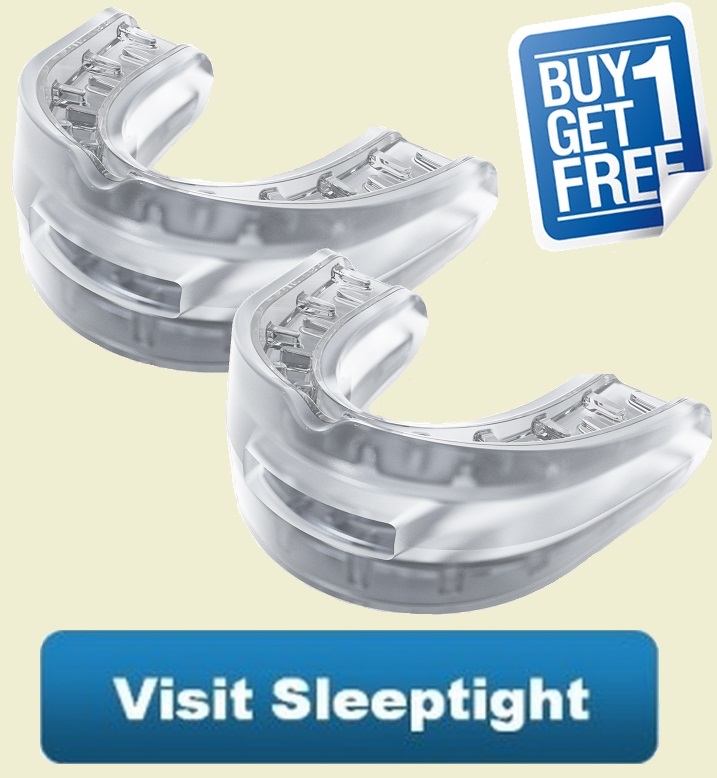 The SleepTight Mouthpiece was designed by Dr. Michael Williams and is one of the few inexpensive MAD’s that has been cleared by the Food and Drug Administration for the treatment of snoring and mild to moderate obstructive sleep apnea in adults. Very few economy mouthpiece manufacturers are able to make this claim. Its dual laminate design ensures a tight fit that will last up to 24 months. The SleepTight can be purchased online for a fraction of the cost charged by most dentists and can be fitted at home in only a few minutes.
Here are a few key points to consider:
- Designed By a US Dentist With Over 30 Years of Experience
- Cleared By the FDA To Treat Mild To Moderate OSA In Adults
- Extra Large Breather Hole
- Solid 1 Piece Design
- Custom Molds To Your Mouth In Less Than 5 Mins
- BPA & Latex-free
- Comes With A 30 Day Guarantee
- Exclusive Buy 1 Get 1 Free Offer to Snoring MouthPiece Guide Readers
- 2 for $88 Including Shipping (Must Click On “Visit SleepTight” Before Ordering)
Read my complete review of the SleepTight.
Which mouthpiece should I buy?
The anti-snoring mouthpiece is one of the most highly effective stop snoring solutions available. With over 100 different products to choose from, deciding which one to buy can be challenging.
As a snorer and product reviewer, I have tried many of these devices and created a list of recommended devices that will help to make this decision much easier.
Share This Post:



 There is one question that is often asked by anyone interested in using an oral appliance to control their snoring and that question is “Can you choke on a snoring mouthpiece?”. This is, of course, an excellent question because after all, safety should always be your number one concern and the last thing that you want to do is create a bigger problem than you originally started with.
 Since not all mouthguards are created equal, the best way to ensure your safety is to purchase s device that have been cleared by your local health regulatory agency such as the
  Only buy products that have been approved by a respectable government regulatory agency such as the FDA. Non-approved devices are most likely cheaply mass produced and are potentially hazardous.

 After mentioning any anti-snoring device the first question that most people naturally ask is “Does it actually work?”. The short answer is “yes” Many of these mouthpieces are in fact an effective means to treat snoring. More specifically, they treat common snoring in the majority of cases. For most, the source of snoring originates at the back of the throat in the area between the soft palate and the airway. The
 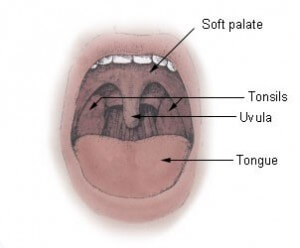 In the majority of cases, this area of the throat is the culprit and a mouthpiece may be the solution. This type of device actually tightens these muscle by holding the lower jaw slightly forward as you sleep thereby preventing the soft palate from flapping around. How can you tell if holding the lower jaw forward will stop your snoring? Try this now (unless you’re surrounded by coworkers). Imagine yourself sound asleep and snoring loudly. Try to replicate the sound of snoring out loud. Continue doing this while using your muscles to push your lower jaw out as far as you can stretch it. Does the sound of snoring become more subtle or stop? If so then your soft palate may be the source of your snoring and a mouthpiece just may the solution. In other cases, factors such as enlarged tonsils, a deviated septum, physical obstruction, or simply the anatomy of your airway are to blame. The mouthpiece is not effective if these less common factors are causing your snoring.
 Comparatively speaking, when used properly a mouthguard for snoring is an effective and safe anti-snoring solution. It does not involve any risky medical procedures and has been used to treat snoring and obstructive sleep apnea for over
  There are various snoring treatment options available, some are more expensive and require surgery while others are fairly inexpensive and require no surgery. While professionally fitted custom devices can cost over $1500, most simple at home do-it-yourself boil and bite products cost no more than $70. Better constructed devices which tend to be more reliable and last longer typically cost between $70 and $200. The more expensive models are generally more customizable, better built and often last longer. Most snorers purchase a less expensive device at first just to see if a mouthpiece will work and then move up to a more expensive one which offers a better fit. Either type of device will work. Here is a cost comparison of these mouthguard remedies to other possible snoring solution:
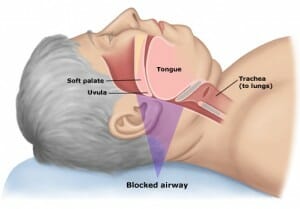 While simple snoring is considered a harmless act in most instances, other times it is actually a symptom of a more serious underlying issue. There are numerous possibilities but the more common problem is Obstructive Sleep Apnea (OSA) which occurs when the airway becomes completely blocked off and you stop breathing for several seconds. This can happen dozens of times throughout the night, robbing your brain of much-needed oxygen. In some instances, a person with sleep apnea will wake up gasping for air several times during the night and not even recall these events in the morning when they wake up. It is estimated that more than 18 million Americans
  As with any medical device,
  Often times, people purchase an antisnoring device without first considering the fact that it must be worn nightly in order to keep the snoring away. While wearing one is usually not very difficult, the snorer must form the habit of wearing one. You must remember to install it at night and subsequently remove and clean it in the morning prior to storing. This commitment is often overlooked and as a result, the device may be used for a few days or few weeks before being permanently stored away. If you are planning to use one of these mouthguards, keep in mind that this is a long-term commitment and wearing one must become a habit.

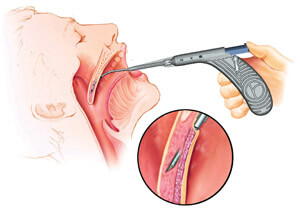
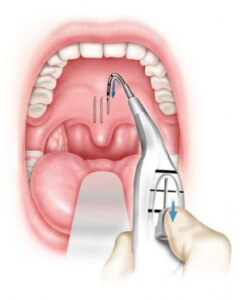 The Pillar Procedure is conducted at your doctor’s office and typically takes between 15 and 20 minutes total. Three to five small implants are inserted into the back of your throat where the hard palate meets the soft palate. These implants are constructed of polyester fibers that are tightly woven together into a stiff rod-like thread which measure just under 3/4″ of an inch long by 1.5 millimeters thick. The entire procedure is conducted using local anesthetics and is relatively painless.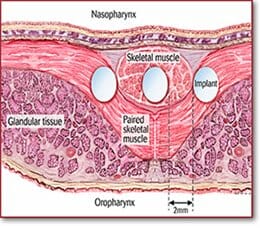
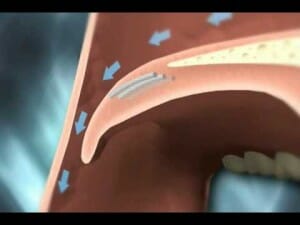
 As you can imagine, after the procedure you are going to have a bit of a sore throat. In addition, an infection may also occur which is often treated using antibiotics. Then there are instances where the body rejects the pillars and they actually work their self out and protrude from the back of your throat. If this happens they can be removed by your doctor.
 Unfortunately, the majority of insurance companies recognize this as a cosmetic procedure. Because of this, expect to pay out of pocket as most insurance companies do not provide coverage.
 The Pillar Procedure offers a unique approach to control snoring and mild to moderate cases of sleep apnea. In theory, it seems to be a plausible solution that may work for some.

 Every time I see a sales page that claims a “96% or 99%” customer satisfaction rate, I often wonder how many people make a purchase based on the logic that if it works for 96% of people then it should work for me. Nothing could be further from the truth.
 In most cases snoring is simply benign snoring, meaning well… you simply snore. Other times it can be a sign of a potentially serious medical condition. Attempting to silence a snoring problem may be a mistake if you are suffering from a condition such as
  This may be a shocker to you but did you know that the majority of anti-snoring mouthpieces have not been clinically tested? How could this be?
 Suggesting that over-the-counter mouthguards are the cure for sleep apnea is treading in dangerous waters and most manufacturers have figured this out by now.
 Why did I choose to highlight such information? My reasoning can be explained using two words – Caveat emptor. Latin for “Let the buyer beware”.


 Ready-made mouthguards offer the least amount of protection and are not adjustable while boil and bite athletic guards allow one to create an impression of their teeth by heating the device in boiling water, placing it into the mouth and applying pressure by pushing against the gums while sucking in. These are often criticized by professionals because biting down too hard during the molding process can cause the thermoplastic material to stretch thin, reducing the effectiveness of the device. Professionally fitted sports guards offer the greatest amount of protection and are typically fitted by your dentist by taking an impression of your teeth.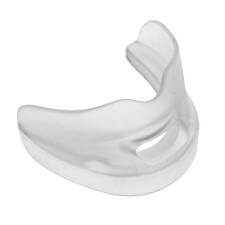
 You may have compared the athletic guard to the snoring guard and wondered what’s the difference? There is one thing that they both have in common which is the material from which they are constructed. Aside from this, they are actually quite different. Here are a few of the differences between the two:

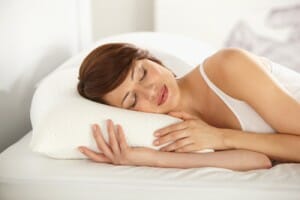 In recent months, numerous polls on bad bedroom habits have been conducted in the US, UK, and Australia. While the results varied from one poll to another, snoring constantly held the number one position for most annoying bedroom habit. The act of snoring is more prevalent of an annoyance than teeth grinding, fidgeting, hogging the covers, sleep talking or even bad breath.
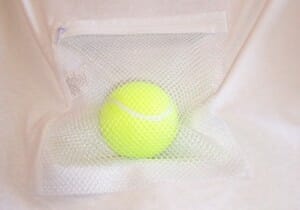 One of the oldest tricks in the book is to sew pockets into the back of your pajamas that enable you to
 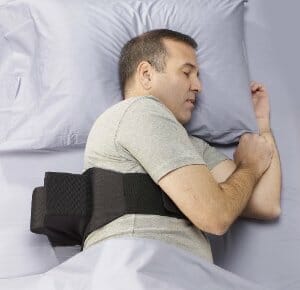 A more aggressive approach is to purchase a positional device such as the ZZoma. While a bit on the expensive side, the ZZoma fits around your upper torso and contains a specially designed wedge which is positioned in the middle of your back. This wedge makes involuntary roll overs almost impossible due to its size. If you find yourself waking up, even with tennis balls or baseballs sewn into your pajamas, this upgrade may be the solution.
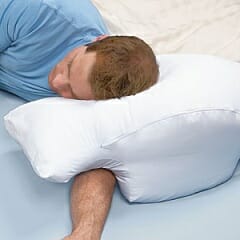 There are a wide variety of stop snoring pillows that are available. While most do not offer a device that actually prevents rolling over, they work by making side sleeping more comfortable. Sleeping on one’s side can be challenging because the awkward position means that you will likely fall asleep on your arm. As a result, you may wake up with a numb arm or aching shoulder. These pillows are often designed in such a way that the arm has a place to escape to. If you are comfortable in a side sleeping position, you will likely not wake up to roll over.

 As you may already know, I thoroughly enjoy a good read each and every day. It’s a part of what I do on a daily basis. I read. I analyze. I write. As Vera Nazarian once said, “Whenever you read a good book, somewhere in the world a door opens to allow in more light”. This quote accurately describes my thoughts when it comes to reading.
 Whenever deciding whether or not to purchase something, it always boils down to the question “Is it worth the money?”. Do the benefits outweigh the cost associated with acquiring this item?
 In all fairness, and to provide complete transparency, I am obligated to disclose that I was provided a copy of the guide from the author, Mr. Zacher. Aside from a free copy, no additional compensation was received for writing this review. All opinions stated are my own.

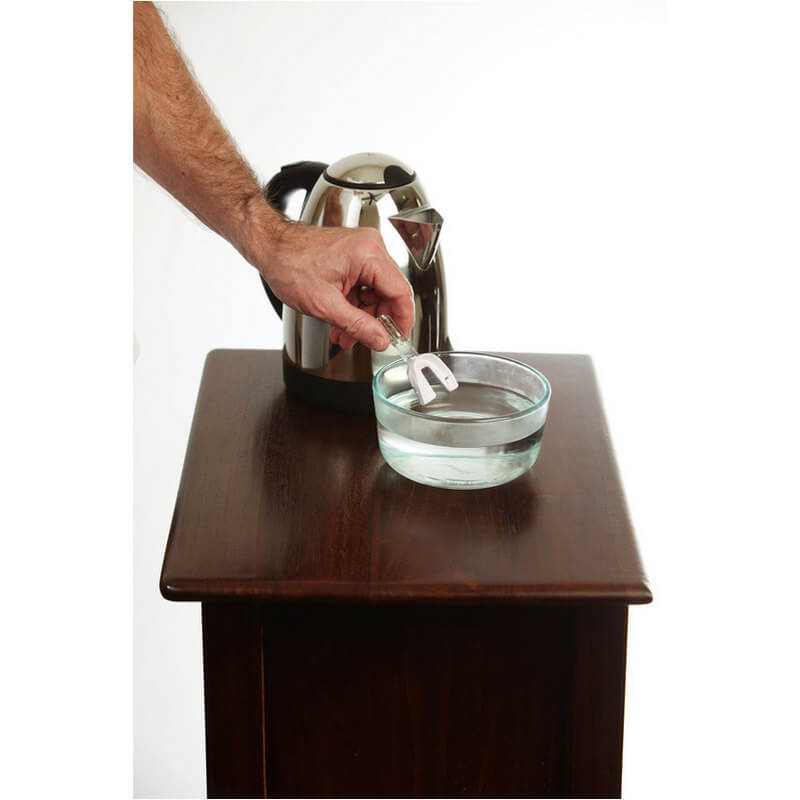
 Generally speaking, professionally fitted oral appliances tend to have a longer useful life. The amount of time in which the appliance lasts will vary depending upon manufacturer. For the most part, pro fitted devices will last anywhere from a couple years to five years. This estimate will greatly vary depending on factors such as how often it is used (hopefully every night) and whether or not you grind your teeth at night (bruxism).
 Perhaps one of the most notable differences between doctor fitted snoring mouthpieces and those ordered online is obviously the price. Over the counter devices will cost anywhere from $35 up to $200.
 Do-it-yourself oral appliances are often criticized by medical professionals for a number of reasons. While some speak out over concerns for patients safety, others are unwelcoming of such OTC devices due to obvious monetary losses.

 You are tired, overweight, and are experiencing great difficulty making it through the day without taking a nap. While these symptoms could relate to a number of disorders, you may suspect that sleep apnea is the root cause of your problems. Perhaps you have already been diagnosed with Obstructive Sleep Apnea. Either way, you are interested in the connection between weight gain and apnea.
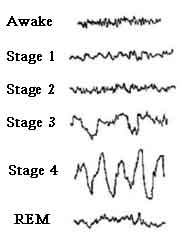 One other factor that plays a role in weight gain and apnea is the lack of REM sleep. You may recall the 5 stages of sleep from a health class sometime in the past. In short, the 5th stage of sleep is known as Rapid Eye Movement or REM. At this stage, the mind is most active and is also the time period when most “dreaming” occurs. This is also the stage of sleep when calories are rapidly burned. Sleep apnea suffers rarely enter into this stage of sleep and when (if) they do, they are abruptly awoken due to lack of oxygen. The inability to fall into deep sleep prevents calories from being burned rapidly.
 So does being overweight cause OSA or does OSA cause one to be overweight. The answer to this question depends on the individual. For those who do gain weight due to OSA, weight gain can become a vicious cycle that leads to more weight gain. With more weight gain the symptoms of sleep Apnea worsen.
