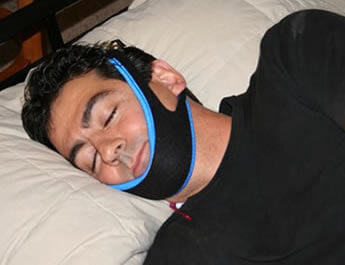
 While searching for a stop snoring solution, you may have encountered a few manufacturers who are selling chin straps that promise a better night of sleep and an end to your snoring. Can a chinstrap really help to prevent snoring? This is an excellent question that deserves a thoughtful answer.
Exactly what is a snoring chinstrap?
Most snoring chinstraps, also known as snore belts, are made from an elastic material such as neoprene or nylon. They cradle the jaw and then wrap around the rear upper portion of the head. In some cases, a strap will also wrap around the rear of the head just behind the ears.
Before going to bed, the snorer places the strap around their chin and then stretches it behind their head. Resistance caused by the elastic material holds the device in place.
There are a number of similar products that are currently being sold under the following names:
- My Snore Solution
- Snore Silencer
- Locared Snore Stopper Strap
- Medex Snore Belt
- Avalon Aire
- Snore Eliminator Pro
- EZ Sleep
- SnorEVADER
- SnoreSheild
- Stop Snoring Jaw Strap
- SleepPro Stop Snoring Chinstrap
In addition to these products, there are also over a dozen manufacturer who sells an identical product for CPAP and BiPAP users including Philips Respironics, North American Healthcare, Resmed, AG Industries, as well as several others.
The claim
 Exactly how does a simple elastic strap stop snoring in its tracks? While claims vary slightly from one manufacturer to another, most manufacturers suggest that the sound of snoring is eliminated by holding the jaw forward and closed. If snoring comes from the mouth then sealing up the source of those pesky sounds should eliminate the problem, right?
A close examination of the claims
Claim #1: A chinstrap holds the lower jaw forward and opens the airway
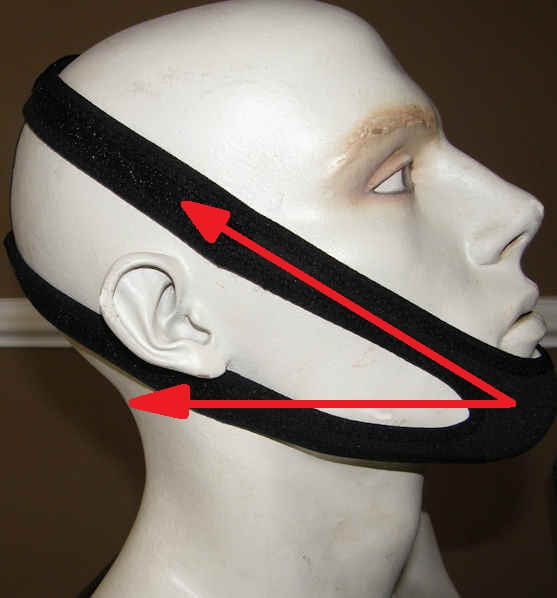
A chinstrap forces the lower jaw up and then back.
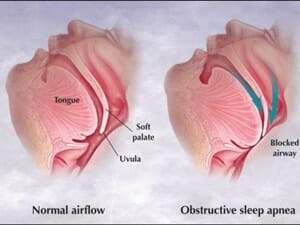
Many experts suggest that snoring (and often obstructive sleep apnea) is often caused by a blockage of the airway. This blockage may be the result of excessive fatty tissues in the airway, the uvula, enlarged tonsils, the soft palate, or a number of other factors.
When a snorer falls asleep, muscles and tissues around the airway will naturally relax and become loose. As air passes in and out of the airway, these relaxed tissues will flap against each other and cause snoring sounds. In some cases, the airway will completely collapse causing what is referred to as sleep apnea.
Numerous medical studies suggest that holding one’s jaw slightly forward may help to open the airway just enough to prevent the sound of snoring. While several contraptions have been created to perform this task, the mandibular advancement devices are perhaps the most commonly used product on the market today.
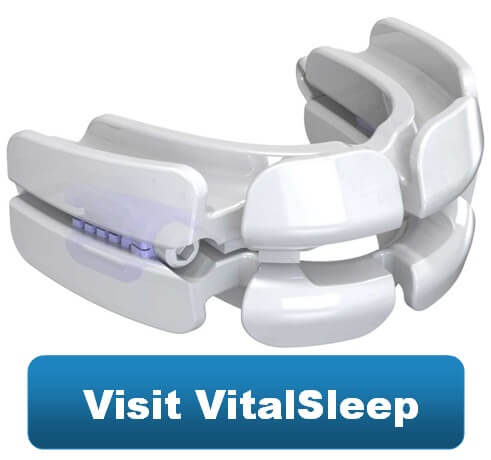
A Mandibular Advancement Device (MAD) is simply a mouthpiece (similar to a night guard or a sports guard) that has an upper and lower tray. The lower tray is positioned slightly in front of the upper. In most cases, the lower tray can be adjusted in small increments to accommodate an individual’s needs. It’s placed in the mouth before going to sleep and helps to hold the jaw forward and airway open.
Having a basic understanding of the simple physics of the chinstrap makes it easy to identify the issue with the first claim. A chinstrap exerts force up and then back, not forward. It simply does not hold the jaw forward. It may actually position the jaw further back, which can create further issues.
“Claim #2: A chinstrap holds the mouth closed which prevents snoring
It’s a common belief that holding the jaw closed will prevent snoring. From a practical standpoint, this notion makes sense. After all, many who snore do so with their mouth open. It seems as if the simple solution is to strap the jaw shut and the problem goes away. Right?
Unfortunately, strapping the jaw shut does not address the underlying issue which is often a restricted airway. In some cases, one may even have a blockage in the nasal cavity caused by a polyp, a deviated septum, or inflammation which restricts or completely blocks airflow through the nose. If a nasal blockage occurs, the body will naturally resort to breathing through the mouth. Forcing the mouth closed with a restricted nasal cavity is of course not a good idea.
 Without addressing the underlying issue, snoring will still occur. The sounds of snoring will transmit through the throat and nasal area.
Amazon reviews on the snoring chinstrap
Several reviewers on Amazon have confirmed the ineffectiveness of various chinstrap devices by leaving similar reviews:
“This product did not reduce my snoring. In fact, my wife tells me that my snoring was worse while wearing this strap”
“Did the opposite for me, pushing my lower jaw back further, restricting air passage more, snoring more.”
“I have now used the product for four nights and, unfortunately, it is doing very little, if anything at all, to control my snoring.”
I bought this hoping it would help. It does keep my mouth shut but I continue to snore and it is just a stranger sound. Very disappointed.”
How much do they cost?
 The cost of a snoring chin strap seems to vary substantially from one manufacturer to another while the overall design of each is very similar. On the less expensive side, a chin belt is purchased for around $7.00. The more expensive chinstraps will set you back about $120.00. These prices do not include shipping costs.
However, on average, one should expect to pay approximately $15 plus shipping for a snore belt.
Using a chinstrap along with a CPAP or BiPAP
It’s fairly safe to say that a chinstrap that is used to prevent snoring is counterproductive and in some cases may be harmful. Is there an appropriate application where such a product can be used?
Earlier, I briefly mentioned that chinstraps are often used by CPAP and BiPAP users. It’s common to see CPAP and BiPAP users who use a chinstrap in conjunction with their machine. A strap can hold the jaw closed while wearing a nasal mask or nasal pillow mask. The idea of using the two together should of course first be discussed with one’s doctor.
So are snoring chinstraps a scam?
 By now you may be wondering if snoring chin straps are a scam. As discussed, they seem to serve no purpose when it comes to controlling snoring. In addition, there is an overwhelming amount of negative feedback spanning the internet concerning the ineffectiveness of this product.
Headgear that is used to keep the mouth closed during CPAP use can be effective. However, such products when used alone appears to serve no purpose when it comes to controlling snoring. No reputable studies have concluded that a chinstrap alone is an effective means that can be used to control snoring.
The importance of understanding the cause of snoring
 Now that it’s understood that snoring chinstraps are ineffective and can do more harm than good, what can you do about this bothersome bedroom habit?
Before searching for a solution, one should begin by identifying the cause of their snoring. This requires the assistance of a trained medical professional. It’s important to note that not all snoring is simple snoring. In some cases, it can be an indicator of a more serious medical condition such as sleep apnea.
Your doctor will ask a series of question and may refer you to a specialist who will likely perform several tests. He or she will then confirm whether you simply snore or have a more serious medical condition.
Real solutions to snoring
 Perhaps you have been told by your doctor that you simply snore. What options do you have?
One easy solution may be to change your sleeping position. This is sometimes the easiest way to help reduce the sound of snoring. Another more aggressive approach is to undergo a surgical procedure such as the Pillar Procedure. Surgery should, of course, be one of the last options to should consider.
If you are searching for a simple and affordable gadget that actually works in most cases, a snoring mouthpiece may be worth looking into. I own many of these and have written several product reviews. There are also several mouthpieces that can be professionally fitted by your dentist. Professionally fitted mouthpieces are often much more expensive in comparison to boil and bite at home types but can last for several years when properly cared for.
Share This Post:



 Does phrase sound familiar? If you have recently visited the Puresleep website in search of a snoring mouthpiece you have likely become frustrated trying to figure out exactly how much the Puresleep really costs.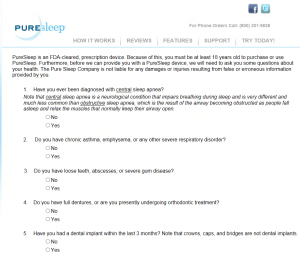
 Seventy dollars? Whatever happened $9.95?
 I
I 

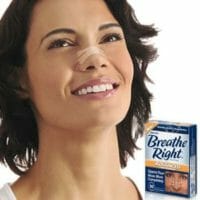 Nasal strips, commonly marketed under the brand “Breathe Right” have been sold worldwide since 1992 and have quickly gained popularity as NFL players were the first to endorse this product. Bruce Johnson, the inventor behind the Breathe Right dilator strips, created this product while in search of relief from his own sinus issues. Bruce suffered from chronic allergies and a deviated septum. One night in 1988 the idea of a drug-free nasal strip came to mind and he decided to further develop the concept. By 1991 his product was ready to launch and in 1992 it hit the ground running. Since then, Breathe Right has been a popular choice among sinus suffers.
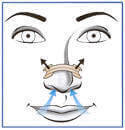 On the surface, nasal strips have a Band-Aid-like appearance. However, they serve a completely different and unique purpose. They work by physically lifting the skin in key areas where your sinuses are located. A flexible strip spans across the bridge of the nose which enables a “lifting” action. The outer edges contains a strong yet gentle adhesive which grabs a hold of your skin as the flexible strip lifts upward. This lifting action is often enough to help open inflamed sinus passages and make breathing much easier. It can provide relief for those with colds, a deviated septum, allergies, or a number of other conditions which cause sinus inflammation. Since the adhesive does not stick to oily skin very well, it’s important to wash your face prior to use in order to ensure that the product sticks to your nose and is effective.
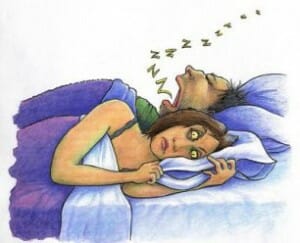 If you were to search the internet for nasal strip testimonials from snoring suffers you will likely receive a number of mixed responses. Why do nasal strips help some who snore yet do not work for others? The answer has a lot to do with the
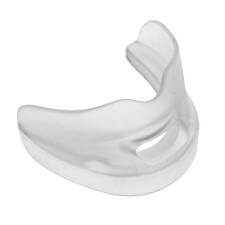 For those who have a snoring condition originating from the soft palate area, nasal strips will not be at all effective. In order to get results, it’s necessary to address the core issue. The Mandibular Advancement Device (MAD), more commonly referred to as a “snoring mouthpiece” has been proven to
  Breath Right strips usually come in packs of 10-30 and typically cost just under $.50 per unit. They are disposable and can only be used for one night each. Snoring mouthpieces have a useful life of anywhere from a few months to a couple of years. Most mouthpieces last for at least a year on average when properly cared for. A good quality mouthpiece costs around $70 – $100 and can be reused every night. Over the course of a year, disposable nasal strips cost approximately $182 if used every night. In comparison, a mouthpiece that lasts a year costs between $70 – $100. The mouthpiece obviously offers a long-term savings advantage in comparison to nasal strips.
 As mentioned, snoring more commonly originates in the soft palate region and not necessarily the nasal passages. However, in some cases, a simple nasal strip may be an effective solution. Breathe Right strips are a bit less expensive (at first) in comparison to a mouthpiece and could provide relief. If you believe that sinuses are the cause of your snoring problem then nasal strips may be worth a try. These can be purchased at any drug store and most supermarkets.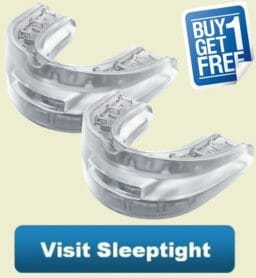


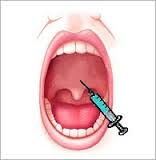
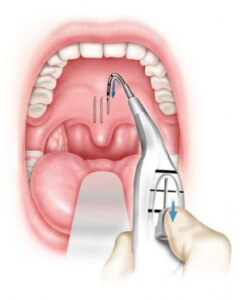 Pillar Procedure: The Medtronic Pillar Procedure is one of the least invasive surgeries and is conducted at your doctor’s office under local anesthetics. The entire procedure takes approximately 15-20 minutes and there is virtually no recovery period. Most people are able to eat or drink within a few hours after the procedure. The actual procedure involves inserting three to five 3/4″ long polyester fiber pillars vertically into the soft pallet using a simple insertion device. These pillars cause hard scar tissue to form around the soft palate within 3-12 months. The scar tissue stiffens the soft palate which reduces vibration and movement. You can learn more about the Pillar Procedure
 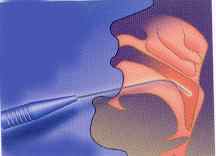 Radiofrequency Palatoplasty: This fairly new procedure works by using the same principle as the Pillar Procedure but does so using electrical current. During the procedure, the soft palate and the uvula are shrunk and stiffened using a special device.
 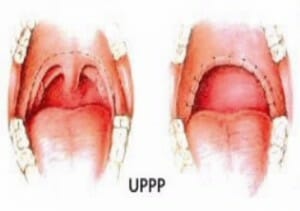 Uvulopalatopharyngoplasty (UPPP): The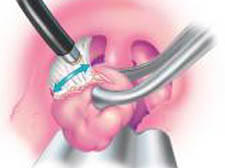
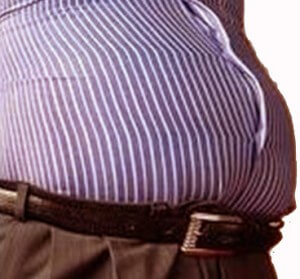 Lose weight: In many cases, snoring can be reduced or even eliminated by simply losing weight. If you are overweight or obese, shedding a few pounds will not only be beneficial when it comes to snoring but will also benefit your overall health. How is being overweight related to snoring? When overweight, excess fatty tissues tend to become stored around the neck. This extra tissue will often flap around or cause a partial blockage of the airway. Men are more susceptible to snoring simply because the neck is one of the most common places where fat tends to accumulate.
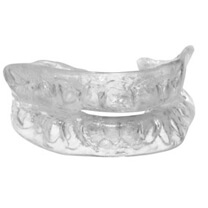 Snoring mouthpiece: The “snoring mouthpiece” or mandibular advancement device is one of my favorite non-surgical remedies for snoring. These simple devices work by holding the lower jaw slightly forward which tightens the muscles in the airway, preventing movement. Several different designs are available and they can be purchased for around $100 or less.

 So you’ve seen multiple TV commercial sales pitches for the $9.99 mouthpiece that is supposed to put an end to your snoring. You immediately begin to question whether or not this is the true price of the product. The reality is, the price mentioned on most of these commercials is the price that you will pay to try the device out. Usually, if you don’t return the device within the 30 day trial period your credit card is charged for the remainder of the balance.
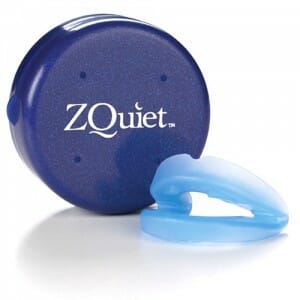 Another example is the
  The truth is, most
 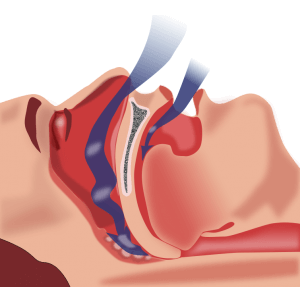 While there are several dozen different variations of mouthpieces on the market, almost all of them work the same way. They all resemble a sports mouthguard with both an upper and lower tray. When inserted into the mouth the lower tray gently pushes out on the lower teeth, providing a
  One common question that people often ask me is “Which mouthpiece should I buy?”. As previously mentioned, there are several excellent devices on the market that are all effective when it comes to treating snoring. While I don’t favor one device, in particular, I have created a resource page that mentions a few

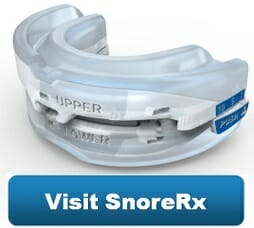
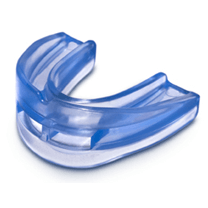 Breathable devices are typically equipped with holes, slots, or simply a space at the front of the device which allows air to pass in and out of the mouth. Others have a hinge design which allows the device to move with your mouth, letting air in and out. Either way, they provide snoring relief while allowing the free movement of air.
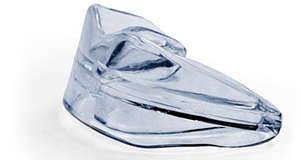 Non-Breathable snoring devices can appear similar in nature to their counterpart yet do not allow the user to breathe freely through the mouth. They are often solid, one piece oral appliances without any holes, slots, spaces, or hinges. The lack of a breathing option is not necessarily a bad thing. They are still effective and can offer the added benefit of preventing dry mouth. Non-breathable devices can be a great choice if one’s sinuses allow for nasal breathing.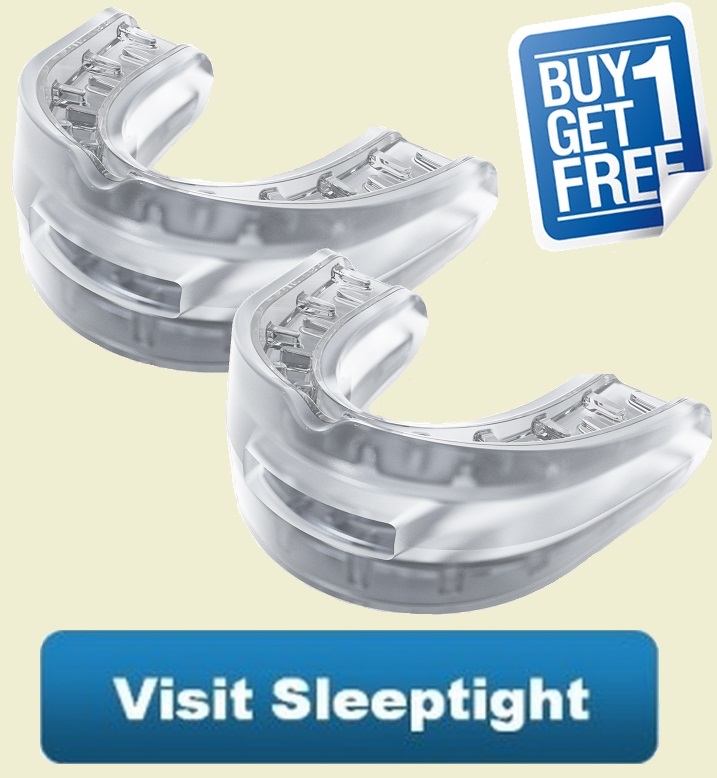
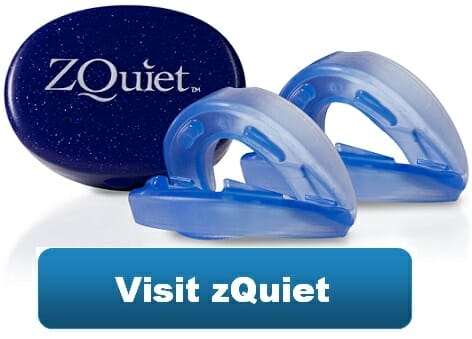


 If you were to ask a dozen of my closest friends and family members “Who is the most frugal person that you know?” in all likelihood most, if not all, would respond “Bob!”. Yes, I’m that guy who wears the same clothes until they are riddled with holes before even considering a thrift store replacement. I save soap shavings, watch broadcast television, clip coupons, drive an old car, bring food to the movie theater (on the rare occasion that I actually pay for a ticket) and… Okay, you get the idea.

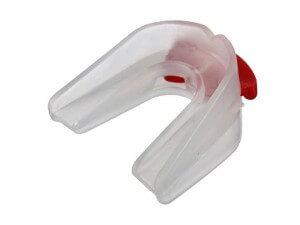

 While it’s easy to skimp on many products that we purchase every day, in my opinion, an anti-snoring mouthguard should not be on this list. In this particular instance, you typically get what you pay for meaning that a non-toxic, government approved device that is safe to use will cost you more than $5-$10. I have

 As mentioned, sleep apnea occurs when an individual stops breathing for several seconds and in some cases minutes. This occurrence is commonly referred to as an “apneic event”. There are three different types of sleep apnea:
 Most individuals may have never even heard of sleep apnea or are even able to recognize some of the signs that they may have an issue. Why is this the case? Well, since apneic events occur while asleep, you are obviously not awake while this is happening. This makes it difficult to pinpoint exactly when it occurs.
 In addition to lack of awareness on the individuals part, some suggest a lack of awareness from general practitioners. While the prevalence of sleep apnea has been known for several years now, there are numerous physicians who allow their patients to miss a proper diagnosis simply because they are not considering the possibility that sleep apnea may be causing some issues that their patients are experiencing.
 Snoring, more specifically benign snoring is much easier to define in comparison to sleep apnea. Simple snoring occurs when the tissues in the throat and airway flap against each other. This creates the sound that most of us are familiar with. Once again, it’s entirely possible to have sleep apnea and snore at the same time. In fact, snoring is a sign of sleep apnea. If you are a light, moderate, or an even heavy snorer, you should not simply write off a snoring issue as simply benign.
 If you are considering the use of a snoring mouthpiece or Mandibular Advancement Device (MAD) to treat your snoring, it’s imperative that you know the difference between OSA and simple snoring. After all, simple snoring is usually harmless while OSA can cause of a number of health concerns such as high blood pressure, heart attack, stroke, obesity, diabetes, and the list goes on.

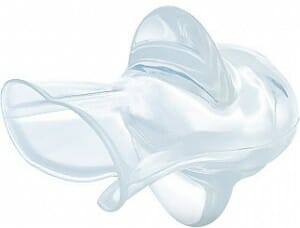
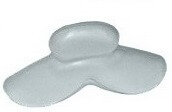
 If you currently use a MAD and have become accustomed to wearing a one, it may take a few days to adjust to a TSD. Most who use this type of anti-snoring device experience some tongue soreness during the initial 3 to 5 days of use. Once adjusted, they are fairly comfortable to wear on a nightly basis.
 There is no denying that both devices can be a great choice when it comes to controlling the sounds associated with snoring. Both have received numerous praises from snoring suffers from around the world. So which one is better? How do you decide which one to purchase?

 It’s 3 am and you’ve been wide awake, listening to the sound of your partner snoring the night away. You turn on the TV and suddenly a late night infomercial seems to be speaking directly to you.
 Mandibular advancement devices or snoring mouthguards have been around for several years now so they must be effective right? Would people really continue to purchase a product that does not work? The truth is, many such devices really do work. Numerous scientific studies have been conducted to measure the effectiveness of MAD’s on snoring. These studies were conducted using a range of different products from professionally fitted to over the counter. While the results sometimes varied, almost every study concluded that jaw advancing mouthpieces were quite effective at treating snoring. Most studies showed a success rate of between 75% – 85% or greater. I’ve